
Episode Transcript
Dr. Jennifer Schriever:
Obesity is a disease, so we should treat it just like any other disease. If someone came to us with high blood pressure or diabetes, we wouldn’t necessarily say if it was more severe, right? We’re going to most likely want to urgently treat that condition because we’re worried about their health. And maybe this condition doesn’t seem so urgent, but in general, people have already tried to help their weight in some fashion. It’s a rare patient that would tell me they haven’t ever.
Matt Holsen (announcer):
This is the “Health and Wellness” podcast by Sanford Health. In this conversation, we’re talking about weight management, a topic that affects millions of people, but often comes with stigma and frustration.
As we age, weight loss gets more complex because genetics, hormones, stress, sleep, or medical conditions can all influence our ability to lose weight and keep it off. At the same time, medications like GLP-1s are becoming more common. But what are they? And how do you know if they’re right for you?
Dr. Jennifer Schriever is a board-certified family medicine physician at Sanford Health in Sioux Falls, South Dakota. She specializes in obesity medicine, weight management, chronic disease care management, preventive care, health education and counseling and more. She joins our host, Courtney Collen with Sanford Health News.
Courtney Collen (host):
Dr. Schriever, welcome. Thanks so much for your time.
Dr. Jennifer Schriever (guest):
Thank you for having me.
Courtney Collen:
I’m so glad you’re here to help us understand the weight management journey at Sanford Health, including those four pillars of weight management we’ll get to and eventually how GLP-1s can help in a patient’s journey. I want to start with this. Why has weight management become such an important topic today?
Dr. Jennifer Schriever:
Well, I think as weight management, it’s finally been well understood that obesity is a disease. It wasn’t recognized as a disease until around 2013. So it’s taken years as often things do for people to develop understanding and treatments to be available that work and have a better understanding on how to take care of that patient for the disease of weight management.
And you know, there have been older medicines have been available for decades, but yet they weren’t as effective as what we have now and beneficial not only for weight loss, but for other disease states.
Courtney Collen:
There’s so much to learn from you, so I’m really looking forward to diving more into this conversation. What does the weight loss process look like? If a patient realizes it’s time to lose weight, nothing at home is working, where and how would that patient start?
Dr. Jennifer Schriever:
There’s a few options. They can, at one of their primary care or other specialist doctor’s visit, bring it up and ask for a referral to our clinic, or they can just call our office themselves and give us their information and we will initiate that process as well. So don’t even have to reach out to your own physician.
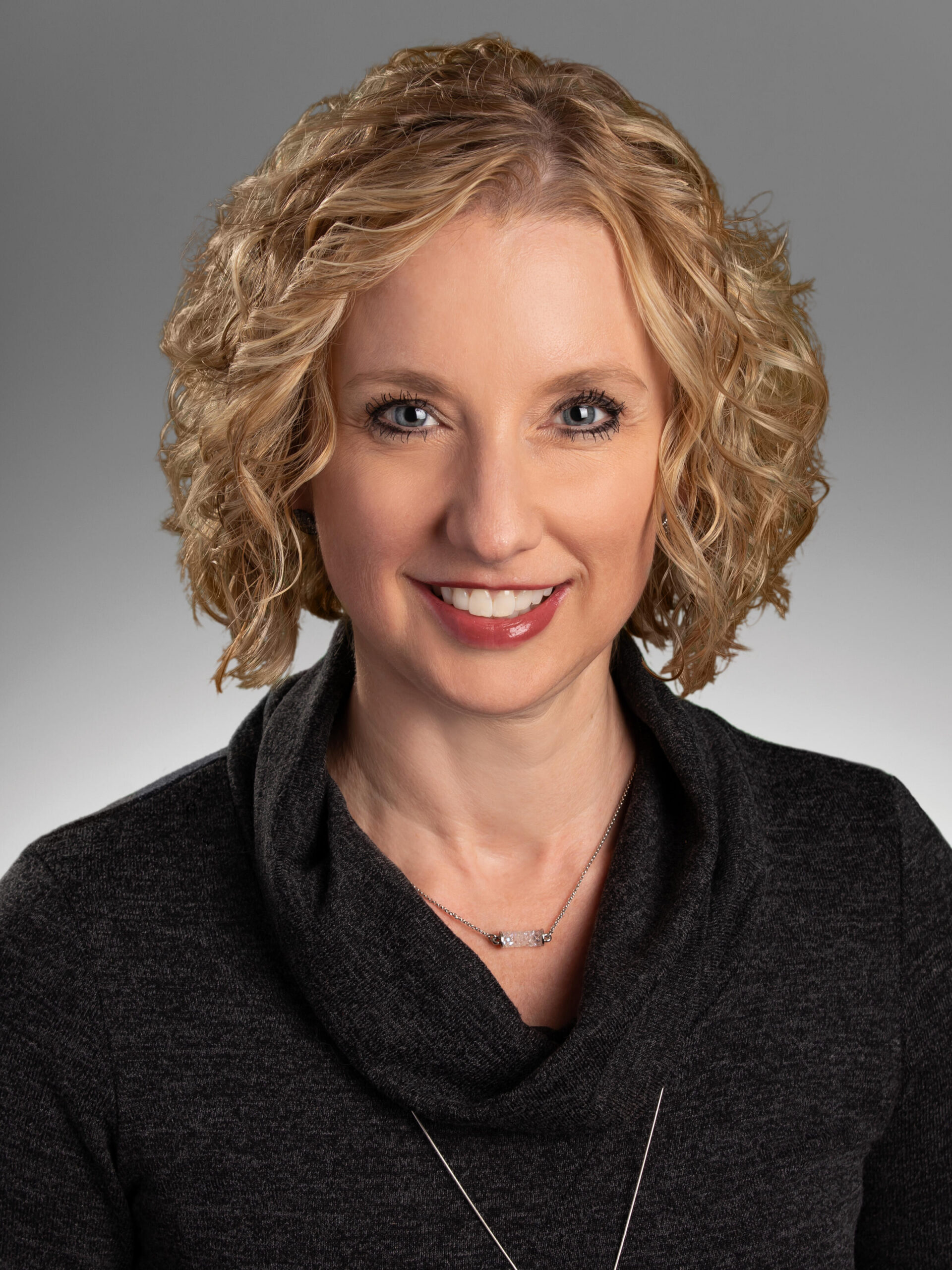
Photo by Sanford Health
Courtney Collen:
So you don’t need a referral to come to your clinic?
Dr. Jennifer Schriever:
No.
Courtney Collen:
Good to know. Thank you. So when a patient comes to you for their very first appointment, what does that look like? Walk me through that first contact with you.
Dr. Jennifer Schriever:
At the first visit, prior to that, we’ve had the patient fill out a questionnaire about their own perspectives on their weight history, what methods they’ve tried to help their own weight management, how they live their life currently, what does their nutrition look like, how much water or other beverage do they drink, how is their sleep, some eating habit questions, exercise questions. So we have a good summary of how they live their life so we don’t have to delve into that. We might review it as we bring about the conversation.
I will also do a comprehensive medical history. I’m going to look through their chart and know what is their past medical history, what conditions do they have that are ongoing, what are their medications, what is their family history, how has their genetics played a role in who is sitting in front of me today and whatever social history I have available.
In addition, I’m going to look at all the labs. Are there labs that are recent? Are the labs that I want to see completed? Is there any concerns from that that we need to address along with the weight management? Because all that matters in how we approach the nutrition, the lifestyle and treatment as well as maybe behavioral health concerns.
So we have a head start. So, and then that first visit, we’ll go through all of that and then we go through our plan as far as what does this program look like, what are the pillars, how do we treat that, why are they all so important? And then we’ll start with treatment the first day.
Courtney Collen:
Talk about the collaboration for care for a patient. Who is involved to support somebody looking to lose weight?
Dr. Jennifer Schriever:
Our clinic specifically, we have six dietitians to help with management of nutrition and education. We have two behavioral health specialists to help with any mental health concerns as well as maybe eating behaviors, body dysmorphia. And then we have two health coaches that we are building up their practice to provide a more frequent, consistent support, answer questions in between.
And then we have a variety of providers. Five of us are full-time. I’m the only physician that’s full-time, four advanced practice providers. And then we have two pediatricians, so we do treat kids here as well. And six other part-time physicians that help fill. So we pretty much fill most exam rooms as often as we can.
Courtney Collen:
Talk about the importance of having all of those people involved in a patient’s care journey. Why is that so valuable to them?
Dr. Jennifer Schriever:
So studies would show too that the more frequent the contact, the better patients are going to be. Nutrition guidance has been not as good as it’s getting. You know, science continues to develop and nutrition science is actually not that new as far as how advanced it’s been getting, maybe since the ’90s. So we really haven’t had good education, so we really need that dietitian support.
And it’s a lot of change and knowledge and you just can’t adapt to all of that at once. And our goal is to create a lifestyle and help you develop that so that this is how you’re going to continue to live your life. And we know life is complicated. Life is so busy. We can’t just take essentially a full-time job out of improving your life. You already have a full-time job in life. So we’re here to help support and guide.
And life isn’t smooth. We all know that. So there’s ups and downs and stress certainly affects everything as far as what we’ll talk about in weight management. So there’s just all sorts of aspects.
Courtney Collen:
Let’s dive into those four pillars of weight management and how we can balance these when creating a weight management plan. There are four of them – nutrition, physical activity, behavior like our habits, and then medical management. Talk about these four and help us understand what they are and why they’re important.
Dr. Jennifer Schriever:
Sure. So when I talk to patients, when I approach the nutrition pillar, I talk about it as really it is the key to weight loss. It is really important to learn how much protein to eat. Be sure you keep enough fiber. Those are the two we talk about a lot. And then we talk about, take into account what the patient eats and then help them gradually adjust that to be more metabolically effective.
We’re going to use nutrition as a tool to help with fullness, help to change eating behaviors, help to how you feel, how much energy you have throughout the day, how easy is it to provide fullness for you? And then we’ll come up with a plan and as structured as much as the patient is comfortable with.
We can be very basic and just talk about what should your plate look like. We can talk about what servings look like as far as, you know, protein often is the size of your palm. What does a serving of carbohydrate look like in relationship to cupping your hand or as maybe a fat like the size of your thumb? Or we can actually do app measurements if patients want to do that more rigorous tracking, maybe even weigh their food, which is fine.
We’ll also encourage maybe at least, you could call it an audit. You know, we used to balance our checkbooks. We don’t really do that anymore, but periodically helping us understand what you eat when you come back for a recheck, logging your food for a few days, even if you don’t like to log your food.
I think the misconception about food tracking is that it needs to be 100% and it doesn’t. Even a few days here and there or looking at a meal here and there and helping fine tune that within – we can help you do that. Or as we’ve given you guidance and understanding, you can create your own meals and then we can help you balance those out because it is important to balance those nutrients throughout the day.
So we help kind of develop that understanding and it, depending on the person and where they’ve started and what fears they’ve had, you know, a lot of patients have lived through low fat diets and then low carb and there’s a lot of low, you know, carb fears about how dare do I add some carbs back in like you’re telling me? And I’m going to gain weight if I do that. And so we can go into how that affects everything.
Courtney Collen:
Physical activity.
Dr. Jennifer Schriever:
That one I call your like life insurance. This is your weight maintenance key. So this is going to help you keep the weight off that you lose. And 80% of this is just how much you move every day. So the tracking devices are kind of useful because they give you knowledge and awareness of how much do you truly move and how do you keep that consistent.
We live where it’s very seasonal and people are always like, “Oh, I get out and walk plenty in the summer.” But when that changes, I mean, weight can kind of gradually creep up throughout the winter if you aren’t keeping up those steps every day. 5,000 steps a day is the guidance as far as not being sedentary and sitting less than six hours. So if you have a desk job, can you get up more frequently at least and interrupt that sitting if you run to the bathroom, pick one farther away, take the stairs when you can.
Some people get an under-the-desk cycle or an elliptical just to move more. “Move more” is so important for heart health, living longer, healthier.
Courtney Collen:
Even parking further from the door to your building is more steps.
Dr. Jennifer Schriever:
Correct. And if you’re at home and you get up and go to the bathroom or whatever, I say, “Well, then walk the hallway a little bit extra.” You know, people get walking pads and that sort of thing. So use a sit to stand desk if you’re able to, to stand more. Sure. You’ll burn more calories and improve your posture.
The other 20% of that pillar is your exercise. Of course, we all know exercise is important for heart health and disease prevention. It helps diabetes and everything, but we really focus on strength training because as you lose weight, you can lose muscle mass for a variety of reasons. One reason is just that if we lose weight, we’re carrying less of ourselves around. As you lose weight, you can lose muscle mass, which holds a lot of your calorie burning tissue.
You could maybe say roughly 70% of the calories you burn are within that muscle that’s moving you around. So we really want to hang onto that muscle as we lose weight and we lose water, fat, and muscle with weight loss.
Also, unfortunately, we lose muscle with aging and that age that it begins is only 30. So what I really love – I love all my patients – but I love seeing those young ones even in their 20s. And then I’ve seen some teenagers as well, but the more education they get now, the healthier they’re going to be in the long run because they are still at that great opportunity where it’s easier to build and maintain that muscle than even after 30. And then, you know, life happens. We might have pregnancies, we might have illnesses, we might have ailments that cause us to not be able to move.
And so in that process, you know, you’re losing muscle and then you have to rebuild it. And if you’ve lost weight multiple times and not have that understanding of how to keep that muscle mass around with adequate protein and the strength training, then you’ve created a lot of metabolic dysfunction because every time you lose weight, you’ve lost muscle mass. And when you gain the weight back, if you aren’t doing some strength training and exercise to rebuild whatever you’ve lost, you’ve lost that muscle.
And so then your metabolism is slower and the weight gain unfortunately comes back on so much easier. So that’s always a work in progress to figure out how do you strength train, even if it’s – every minute counts – so even if exercise is just a minute at a time, there are some studies showing if you’re really focused on getting your heart rate up for a minute, at least four minutes a day, that’s valuable.
Or we’ll talk about even five to 10 minutes of strength training to get 30 minutes a week. Twice a week strength training, if you do longer, is enough for muscle sustainability most of the time. And what people often don’t understand with strength training, it isn’t just about lifting the weights; it’s about making sure that you’re getting stronger. So it’s not about doing 20 reps three times. It’s maybe about doing six to 10. And if that gets too easy, it’s time to increase the weight that you’re lifting.
And the cardio is still important, so we talk about that too, and helping reduce visceral fat. So we’ll talk about different cardio work or exercise or HIIT training, high intensity interval training, which we can create even with a walking pattern, so.
Courtney Collen:
Such good information. Thank you for that. We’ve talked about nutrition, physical activity. The third of the four pillars of weight management is behavior, our habits. Talk about how that comes into play.
"Our goal is to create a lifestyle and help you develop that so that this is how you're going to continue to live your life." Dr. Jennifer Schriever
Dr. Jennifer Schriever:
Sure. And I think this is really an important pillar to talk about to patients. So I explained that we’re asking about your sleep, and we screen a lot of patients for sleep apnea, but we also want to know that they’re sleeping well and what is interrupting that. We will often ask about stress and try to help figure out, you know, how do we help them understand or manage stress better?
That’s why our behavioral health therapists are so handy in our clinic, but we also will make sure the patient has their own counselor. We’re not going to talk them into ours or that we can help them find a counselor that fits them best or encourage them to seek that out themselves.
And then lastly, most people, I have heard that 80% roughly of people with extra weight have a history of trauma in their lives, often childhood trauma, which can be being bullied as a child for being overweight or child abuse, food insecurity, not having enough food around or other such traumas people can probably think of that they experience because those conditions as a child, you don’t know how to handle that.
You often don’t have good instructions on how to handle your emotions and manage those. So you might overeat or stress eat and learn which foods cause that reward and make you feel better or it’s the only thing you can control. And we know children don’t understand that intentionally, but those childhood experiences create those habits and behaviors that we help patients to understand how that developed and how that contributed to their health these days.
Courtney Collen:
The last one, medical management.
Dr. Jennifer Schriever:
At that first visit, and at every visit, of course, we’re going to evaluate how medications can help and work. Obesity is a disease, so we should treat it just like any other disease. If someone came to us with high blood pressure or diabetes, we wouldn’t necessarily say if it was more severe, right? Well, if you go start exercising and working on your nutrition, that’ll get better. Come back and see me. Then we’ll decide on medications.
We’re going to most likely want to urgently treat that condition because we’re worried about their health. And maybe this condition doesn’t seem so urgent, but in general, people have already tried to help their weight in some fashion. It’s a rare patient that would tell me they haven’t ever tried to lose weight in whatever way, whether nutrition or exercise or something else. So it should be offered that first day.
And we will, of course, we’ve reviewed their medical history. We know their insurance. We’re getting pretty good at understanding what insurances cover, and we can guess we’ll probably still try a variety of medications. Thankfully, some of the older medications, if appropriate, are really affordable and cheap and often not covered, like 20 bucks a month or less. And then we’ll know the best pricing options if not covered for the newer GLP-1 class and everything.
If you don’t mind, back to that physical activity. Even if you feel that you aren’t capable of moving, we will help you figure out how to move that’s appropriate for you. So we do have patients coming in that are 80 years old or primarily in a wheelchair that we will help them find ways to exercise, whether that’s with bands, just moving their body. And you can refer to physical therapy if you feel someone is deconditioned enough or has that balance problems or something that they need strengthening for.
And I guess that’s an added benefit of our location being located next to several physical therapists in the same building and the wellness center which we do interact with.
Courtney Collen:
Which ones of these four pillars would be the hardest for a patient to jump onto?
Dr. Jennifer Schriever:
Depending on this patient, I would say several are. The two things that come up with nutrition often are vegetables, (laugh) eating enough vegetables and learning to like them or even liking them, being able to handle them. Or, and actually increasing protein is a concern for many. And that’s what we really focus on and learning how to get that protein in. We do talk about eating the protein first, vegetables second, and still including incorporating a lot of plants in the diet. So that can be hard.
Exercise is often hard to fit into one’s day. And so really focusing on the education of just add it in where it fits. And the further along someone gets in their weight management journey, often the more they figure out that, OK, that’s the next step I’m ready to take. Depending on the stressors and mental health, sometimes that puts a big maybe plateau or interruption into the process, but that’s OK.
That’s something that is so important for someone to work through in life. So that can be difficult. Medications, and we should talk about that surgery is an option that we can talk about here. A lot of the patients that come to us aren’t interested in surgery for weight loss, but we should still offer that when appropriately indicated. But medications, the big thing there is cost.
Courtney Collen:
How does weight management interact with other health factors? Like how does obesity affect lifestyle and along that same line, what benefits does weight loss have on the body and some of those health factors?
Dr. Jennifer Schriever:
Obesity certainly affects lifestyle. It might affect how you feel you can move, affect your energy level, affect your mental health. You know, there’s a lot of bias and stigma still that either the patient feels, and that’s more significant than even how others think of them as far as affecting their own mental, their own physical health. And that internal stigma – of feeling like everybody’s ashamed of me, or thinks I have no willpower, or no strength, or lazy is often something that they might perceive that others think – has been well proven to be detrimental to their health and increase inflammation, mental health, eating behaviors that are disruptive.
But the disease of obesity, it’s almost hard to come up with a health condition that it doesn’t affect. It certainly affects mental health. We know heart health, diabetes are related to the disease of obesity. What many people aren’t aware of is how many cancers are related to the disease of obesity.
There are several. Anything, colon, GI related, stomach cancer, kidney cancer, some thyroid cancers, uterine cancer, even some lymphomas, multiple myeloma, so many cancers, even some liver cancers could be weight-related. So we really improve your health and risk of cancer, postmenopausal breast cancer is another, by helping with someone lose weight.
Kidney health is very related that we’re developing that understanding. Liver health. Fertility can be weight-related. We all know about polycystic metabolic ovarian syndrome, I believe it’s called now.
Courtney Collen:
Thanks for sharing. Yeah. It’s so important. For patients considering bariatric surgery, what does that collaboration for care look like at Sanford?
Dr. Jennifer Schriever:
We do work a lot with the bariatric surgery team in a variety of ways. Now, sometimes a patient gets referred to us from primary care and just a miscommunication, the patient really wanted to go to bariatric surgery. So then I still do typical consult because I usually don’t find that until the end. And then I offer them, “I will support you in that fashion. I’m going to put that referral in for you. I will be here to continue to monitor and visit with you periodically, pre and post if you’d like.”
Now what that also looks like interacting with bariatric surgery is if they have a patient that they are working with, and usually the pathway to bariatric surgery involves around six months of monthly visits with a provider there and a dietitian. That might not be exact, but it is usually around six months monthly that they have to visit to show that they can follow a plan and work on weight loss and maybe even a requirement to lose weight to make that surgery safer.
If that patient is really struggling in that process, the providers, the surgeon and his staff, nurse practitioners might refer to us to assist with medication management to help that patient get to that bariatric surgery process. If I have a patient that has bariatric surgery, I still offer them. I’m happy to follow up with you along. I’m going to follow the bariatric surgery guidelines for nutrition and everything. We are not going to stray away from any other specialist recommendation until it no longer fits you well.
So maybe months or years down the road after bariatric surgery, we might help to help adjust your nutrition and guidance from that. We will also use medications pre-op. We will reintroduce them post-operatively whenever appropriate, and it might be appropriate sooner or later. Also, from a bariatric surgery standpoint, if you have a patient that isn’t losing weight as expected, because there’s been well studied, we know at what rate and what percentage of weight loss a patient should see by a certain timeframe.
So if that person had bariatric surgery and is struggling or still despite the surgery has food thoughts or food noise or other concerns around their eating behaviors, they will refer to us. So that might be a new patient to us postoperatively. Or if a patient a year or two after bariatric surgery is struggling with weight regain, or again, some of those food thoughts or fullness that surgery just didn’t have the effect as expected or as long. Or they’ve reached what that bariatric surgery, the weight the bariatric surgery was meant to give them as far as weight loss and they’ve reached that and they want more and that’s still appropriate, then we will see that patient and help them manage.
We talk about medications and surgeries helping with weight loss and nothing, as you may not understand or patients may not, is often the final answer. It might be the final answer and work for you for years and years and years and that can be the surgery or it can be a medication. But often we find that the tools need to be adjusted, just like all the pillars.
Nutrition might need to be adjusted for weight maintenance, exercise might need to be adjusted, your tool might need to be adjusted as well, and the mental health might need to be adjusted as well. And as we were talking about teams and medications for patients that have medical problems or we manage a lot of patients with diabetes and maybe they see their primary care doctor for that as well, or an endocrinologist, we will coordinate our care as far as, “Is this appropriate? Are you OK with this medication change? I’m going to probably see your patient more often than you. I will interact.” And most of endocrinology is happy to have us adjust.
We still want them to return appropriately to those. We will make sure that their labs are drawn appropriately. We’re going to catch missed labs. If you have a cardiologist, I might reach out to them. I might reach out definitely to the nephrologist or the kidney specialist to make sure that our plan or a medication change is appropriate, whichever medical concern you have.
Courtney Collen:
I want to move to GLP-1s. First, what are they? We’re hearing so much about them. And when do we introduce these in the weight loss process?
Dr. Jennifer Schriever:
GLP-1S are a medication that technically are in that peptide class, but they have been well studied to work. They function by helping with appetite and portion control, food thoughts and food noise. Some people do think about food a lot and it’s very disruptive to their life and they don’t realize how stressful that is until it’s gone. But they also help improve metabolism. So that means that they’re helping how our body manages blood sugar and fats for the better to improve your health. And there’s a variety of ways that they do that function. So they don’t necessarily increase your metabolism; they make it more effective.
Courtney Collen:
Is this one of those things you would bring up in one of those first appointments if someone comes to you and says, “Look, I’ve tried everything.”
Dr. Jennifer Schriever:
Absolutely. And honestly, one of those is the ideal medication for most patients because we know in studies they’re the most effective for weight management and they’re just so helpful metabolically – reducing inflammation. We know they improve the risk of another heart attack or stroke. They improve liver disease beyond weight management and they improve sleep apnea, among other things that are being studied, heart failure, just so many.
Courtney Collen:
It just sounds like you said these are so effective beyond losing weight. Talk about how quickly weight falls off when adding a GLP-1 into their journey. How do they work?
Dr. Jennifer Schriever:
So they do work by slowing your stomach from emptying, so that makes you feel full sooner and faster. It also helps your body absorb that blood sugar less quickly, so you’re going to have less insulin spikes, so better blood sugar management that way. So people do feel fuller, sooner, able to better portion control and not feel so hungry again after eating, like some people might notice, “I just ate. Why am I so hungry again already?” And so it’s very satisfying to reach that full feeling.
They also help with a variety of sites in the brain, depending on which medication you’re talking about, that help with those food thoughts and cravings and the reward from food that you get from eating. We know a lot of foods, especially the sweeter, saltier, fattier foods are going to activate that dopamine response. And that means you feel good and have a reward feeling after eating that dessert.
I think we can all imagine what that is like, but it helps blunt that, so it’s that food might not be so rewarding. And over time, I think these two help. I call it, I’ve heard it called taste bud rehab. You know, when you eat the same foods, especially those maybe more processed, salty, sweet, whatever fatty foods that people tend to crave, your taste buds are used to that. And then that’s what they’re going to want to eat again.
We all know if we somehow manage to not eat something or drink our diet, so whatever it is, for longer periods of time, it’s easier to stay away and maybe it doesn’t taste so good when you try it again. So that makes that easier. And if you think about that, it helps their mental health too, because that’s stressful to argue with yourself all the time about, “I really want that, but I shouldn’t have it.” So, yes. When you’re taking that stress away, they just, in general, feel so much better.
And then lastly, it, like I talked about, improves your metabolism. So for some people, you know, everybody’s different. We’re still talking about individuals, so not everything applies to everyone. But if genetically or your environment or how you’ve tried to manage your weight or what’s happened in life has caused some such variety and disruption in your metabolism, and we’re helping manage that by your blood sugar’s better managed, how your body manages fats is better managed, and some medicines are going to help you actually burn fat better.
So the way it structures metabolism, you’re going to burn more fat for energy, and that’s how it helps with weight loss. And combine that, and you almost, you have to combine it for long-term weight maintenance with the lifestyle changes and stress management and those sort of things because the medicine is not perfect. If you’re not fueling yourself well, if you’re not doing the exercise, if your stress is so high, it’s going to override some of the benefits of any of these medications that we use.
Courtney Collen:
Yeah. Hit on nutrition for a moment. Do you need to adjust what you’re eating while taking one of these medications? And how important is nutrition? If you’re eating, can you eat all the same foods that you were before? You know, maybe it’s not the healthiest, but you’re on the medication. Is it still effective? Or do you need to kind of optimize, say, your protein intake or your vegetable intake when you are eating on these medications? Talk about that for a minute.
Dr. Jennifer Schriever:
Yeah, absolutely. So, and we have a whole handout on recommending about how you eat and what your food choices are. Now, they’re very similar to what a healthy diet is, but it’s important for these medications to be most effective for you and for lifelong sustainability, but as well as even handling the side effects. If you improve your nutrition, they’re going to be much better.
So we’ll talk about how definitely your protein first. We do need that on board first, but patients will even find independently on their own that if I eat small amounts of protein more frequently, I don’t have so much nausea. And we know nausea is a side effect. And you have to build that fiber along with it because they cause constipation.
And so we, if we’re suppressing appetite, we sometimes start to decrease those nutrients that we’re getting and focusing on one thing instead of we still want to have ideally some protein, some carbs and some fat together.
And that can be the vegetables fueling that carbs. It doesn’t have to be a lot of food at a time, but that will really help. But we’ll talk about “eat that protein first.” It’s also stimulating your fullness hormones the best and follow it with veggies because then you’re getting your fiber on board, healthy fats. Of course, if your food is separable. We’re not going to pick apart our soup or a casserole.
And then lastly, eat that carbohydrate. Remember we’re trying to slow down the digestion of that, maybe help blood sugars feel more level or be more level intentionally. And that helps slow down the digestion because if you digest your carbohydrate so quick, then just how it works physiologically, you’re hungry again faster. So save that for last. We also encourage avoiding, of course, we’re not striving for 100% nutrition. Being on track all the time, it’s more like 80 to 90%.
Think about what does your week look like and where is that 10 to 20% fit and what’s going to be your favorite time to have what you really enjoy, and not what pizza they brought to work that day if it’s not your favorite or whatever or what treats are in the break room. They might be delicious and if they’re your favorite, then they fit into your 10 to 20%.
But also when you’re on such medications and just trying to feel well, find some protein and veggies first and then go enjoy that smaller serving, which you’re likely going to take and you’ll tolerate it better because once you’ve done that 80% consistently and then you just have some of those extras, people will often notice they really just don’t feel well and weren’t so pleased maybe that they experienced that and so don’t want to do it again.
Courtney Collen:
It’s so interesting. Yeah. That’s the medication working.
Dr. Jennifer Schriever:
Medication helping you adjust your behaviors too. Yes. Yeah. Right? Absolutely. I mean, I think we can’t just credit the medication because patients often do. Yeah. They credit the medication for their success or the harm and aren’t crediting, especially crediting the work that they’ve put into this.
Courtney Collen:
The lifestyle changes that they’re making.
How do you determine which GLP-1 is right for a specific patient? And then when might somebody not be a candidate for a GLP-1 and potentially another medication that could be effective?
Dr. Jennifer Schriever:
We will certainly look at what the medications have been studied for, which health conditions and what we know for sure that they help with. Because interestingly, you know, even us as weight management physicians have thought, well, if this medication really helps heart health, surely the other one does. But so far that evidence isn’t there.
So if you’ve had a heart attack or stroke, we’re going to lean towards semaglutide probably. If you have a lot of GI history, like a long history of constipation that’s pretty severe, maybe that would make us hesitate because we find a little more constipation in semaglutide, but we’re pretty good at helping you manage that. And that’s where tirzepatide might be more valuable. Or if you’ve had sleep apnea diagnosed, then we’re definitely going to lean towards that because that’s one where it’s been approved. If a patient is really hesitant about the medication or if they have a history of gastroparesis, so that’s less so a concern of cause.
That means the stomach doesn’t function as well, doesn’t empty as well. So it’s kind of, you could say lazy or the nerves don’t activate it right. And so food sits in there longer. We know that these medications slow that stomach from emptying. So that is going to be a medication where we’re probably almost maybe going to entirely avoid or definitely get to know if we suspect a person might have that because they’ve had diabetes for a long time and based on symptoms, we might at least evaluate it and warn them that this could make you feel really bad. Even if they still want to try it, so sometimes have still tried it, it just doesn’t work in that patient.
There is also, a thyroid cancer, the medullary type, a warning not to start that in that person with a history of that or a family history. But that’s a pretty rare thyroid cancer.
Those are the main things we’re going to avoid. And then just knowing the patient, how they’ve lived, I can titrate the medications a little bit differently. So that might affect choice. Cost, one is a little bit cheaper than the other than the long run too.
Courtney Collen:
It seems like all of a sudden we’re talking about GLP-1s, like they’re in the media, they’re, you know, celebrities are doing the, you know, are being prescribed these GLP-1s and they’re losing weight. But these have been around and studied for a long time. Can you kind of clarify or maybe debunk any myths or misconceptions that these are brand new medications and people are jumping on them to lose weight and that’s it? What do we know about these and the safety of these long term?
Dr. Jennifer Schriever:
Yeah. The GLP-1 class of medications has been available on the market since the early 2000s. I can’t remember which three, four or five, when some of the first medications came out for diabetes. And we know it takes years of study before a medication makes it to market. So starting in animals and then in humans and then larger amounts of humans, and safety is always monitored.
So really we have a few decades, at least, of experience with these medications or that class of medications on the market. What I didn’t mention earlier as far as cost too on medications, so now we’re developing potential oral medications, although patients in general at first, you know, historically really didn’t want to inject themselves and now it’s most often not a concern anymore. There’s still a few patients that might want to start on those, the newer pills that are available that can be effective for weight loss and they are somewhat cheaper.
Courtney Collen:
So most of the GLP-1s are injections?
Dr. Jennifer Schriever:
Yes. Currently, yes. They’re mostly injections, but there are pill forms.
Courtney Collen:
Does the weight loss stop when a medication like this is reduced or stopped? How do you go about navigating like, you know, years down the road, “Hey, I’ve lost weight. Do I continue that same dosage of the medication or do you start to wean or microdose as I’ve heard it called?” What happens after a period of time and how long would somebody be on a GLP-1, prescribed a GLP-1?
Dr. Jennifer Schriever:
Well, first of all, it’s a disease. So, just like high blood pressure or diabetes, you might anticipate that you’re going to be on a medication for life maybe, or for a really long time. And everybody’s different. Some people with high blood pressure can improve their health and lifestyle and actually get off medications. And some people genetically are just how their body is made, it’s just not going to happen. They’re always going to be on something.
It’s the same thing here. And everybody is, or every person is different. Some people, when they’ve reached a maintenance phase that they’re happy at, it doesn’t have to be what I’ve defined. It certainly doesn’t have to be by BMI because BMI on an individual basis doesn’t really help us with physical health because some people have so much muscle mass just because of genetics or how they’ve lived their lives that BMI is just not a realistic goal for them to reach.
So with our body composition scale, we do assess that and look at body fat. We monitor their skeletal muscle mass, so we know how they’re metabolically improving. And so 20% of weight loss is really going to affect metabolism significantly. And that’s at the point where you often can resolve diabetes, which is one of the more significant disease states to be able to improve.
So if we’ve reached that and the patient is stable, I would say at least for six months, it’s really up to them. If you’ve had a lot of food thoughts and food noise, there can be a lot of fear in that coming back. And so that person may not want to even consider going off medication. So if they are at a reasonable weight, I do occasionally have a few patients whose weight has gotten too low, and that might be because of their age that I don’t want them as low as they think they would like to be for the, just for living longer, healthier.
Then we have to come to an agreement about really what is our health about? It’s really not the scale. And that matters whether you’re at the low end of the scale or high end, what does what you’re made of really look like? And because that’s what really matters, not what’s on the scale. So then we’ll have to help them gain weight.
Now, if the patient wants to try, they’ve really instituted some great lifestyle changes, they’re loving living life, then we’ll just individualize and slightly lower the dose. Now we won’t necessarily microdose; that’s not well studied. Is it being studied? Probably somewhere. And the way some of the devices are made, we can’t necessarily microdose, but sometimes we’ll take the dose and instead of weekly start saying, “Maybe try it every eight to 10 days and see how you do.”
And at the end of the eight to 10 days, the reason we go about 10 days, probably not quite two weeks, because if you wait that long, your side effects are going to be higher when you give that next injection. And then that is a way to kind of get used to maybe hunger building again and learning how to adapt and adjust and work through that. And some people metabolically, if we’ve helped your blood sugar and your fat metabolism be better, your body is going to tend to go back to where it was. And so just because we’ve improved, everything doesn’t mean that your body isn’t going to go back and try to be where it used to be.
So it’s very individual. So far I would say, and we’ve been, we initiated this clinic a half a day a week in 2021. We don’t have too many patients that have worked off of the GLP-1 class. They’ve been forced off because of insurance changes and can really struggle. So sometimes what we’ll do too, we can offer them the pill forms. Those are, can be like a step down and see how that goes if they want to.
The pill forms of the GLP-1s, we can go back to the older class of medications and switch into that to help with appetite and portion control. And what I should mention is that those are the better option for some patients. I have had some patients, you know, will come in and really want that GLP-1 class. We get it started because they have coverage and then they don’t do well.
Or one actually had an allergy, which is pretty rare, but, and then they do amazing on the good old fashioned phentermine or we treat some binge eating with, you know, a stimulant medicine like Vyvanse, which is used for ADHD. And then they do amazing and it’s just so rewarding. So there are some studies about, it’s called phenotyping to help understand which patient would do best on what right from the get go.
Courtney Collen:
Are there risks involved if someone wants to just lose weight, maybe they don’t have the other lifestyle factors that could really benefit from a GLP-1, but maybe they don’t meet the BMI criteria or maybe they really don’t need to lose a lot of weight, but they still are interested in one. Is there a risk involved in someone starting a GLP-1 when maybe they’re not the best candidate for it?
Dr. Jennifer Schriever:
First of all, I guess if you aren’t, you know, associating using a medicine with the right lifestyle changes, it’s not sustainable. You’ve really affected how your metabolism’s going to function in the long run, and you’re kind of doing potentially that yo-yo effect where you’re losing too much muscle. If it’s also significantly decreasing your intake, you know, for someone who maybe doesn’t have a lot of metabolic dysfunction, that’s going to help, but what vitamin deficiencies are you going to have?
You know, it’s so important to have good nutrition and weight management and stability for long-term muscle health, bone health, disease prevention. You could just be really confusing, you could say, your body and metabolism, so it’s just more dysfunctional. And those associated risks, there’s risk of everything. It just fortunately, most of the time, we didn’t draw the bad straw as far as getting that side effect, but, you know, you’re also taking chances there. It’s just not a good health management behavior. The weight’s going to come back on more quickly.
Courtney Collen:
Or if you’re not getting the prescription through a clinic or through a board-certified medical team or outside of a medical environment, I feel like there would be risks involved there.
Dr. Jennifer Schriever:
Yeah, absolutely. And we do have patients that might have received medicines from elsewhere and just not gotten that good instruction. They do tend maybe not to feel as well, have less energy, be more tired, because we can help you work through those things. You don’t have to be miserable to lose weight, and that is our goal. But if you’re just doing it to get to a certain point, what are you losing when you lose weight rapidly? Water, hopefully some fat, and some muscle if you lose it too quickly.
Matt Holsen (announcer):
This episode is part of the “Health and Wellness” series by Sanford Health. For other series or episodes by Sanford Health, listen wherever you hear your favorite podcasts and on news.sanfordhealth.org.
Get more episodes in this series
…
Posted In Family Medicine, General, Healthy Living, Nutrition, Sioux Falls, Weight Loss