Episode Transcript
Dr. Dan Almquist:
The best thing to do is get information, ask questions, bring it to the table, have a conversation about anything. If it’s your fears, if it’s your anxieties, if it’s medicines, if it’s supplements, bring it to the table. Our job as physicians is to actually educate you and teach you and help you navigate these really tough things in life.
Courtney Collen (host):
This is the “Health and Wellness” podcast brought to you by Sanford Health. In this episode, we’re unpacking some of the most common myths and misconceptions around cancer from diagnosis to treatment. Whether you’re a patient, a caregiver, or someone who just wants to be informed, this conversation is for you.
Our guest is Dr. Daniel Almquist, a board-certified specialist in hematology and oncology at the Sanford Roger Maris Cancer Center in Fargo, North Dakota. Our host is Courtney Collen with Sanford Health News.
Dr. Almquist, thank you so much for joining me for this conversation. Nice to have you.
Dr. Dan Almquist:
Hey, thanks for having me.
Courtney Collen:
Cancer is one of those heavy topics where everyone seems to have some advice or guidance, like add superfoods, cut sugar, eliminate plastics, less processed foods, more red wine. Like if you do everything right, you’ll be safe. We hear so much about doing this or that to prevent cancer, and it is kind of overwhelming. That’s why I’m really looking forward to digging into some of these things, like what you hear in your clinic and what you want our listeners to know.
So, to start us off, Dr. Almquist, why do you think cancer myths are so persistent, even with so much information available today? Or is too much information the problem?
Dr. Dan Almquist:
Oh, that’s a great question. That I think that’s one of the ultimate questions actually. You know, I always, I guess I always go back to like information or knowledge is power, right? So the more information you can have, the better decision making you can have.
But when it comes to like scientific evidence, this is where it gets really tricky because even in the papers and research that we use, there’s different scales of validity. You know, like how is it powered? Is it the correct patient? Are you actually trying to study these things?
And so even when studies get done it gets complicated. Because sometimes people, if they’re reading it on their own and they don’t have a background in scientific evidence, or even statistics, let’s say, it gets complicated. Because to be able to interpret this, you kind of have to have a background on that.
So sometimes I think people, this paper will come out or the study will come out, it hits the media in the news and people run with it and they don’t really know what it actually means. It’s like when someone asks me like, “Hey, can you fix a car?” It’s like, actually I can’t, like I don’t have that ability. I can read a paper, but like, you want me to take a part of the engine? I can try to read about it and do it, but I just don’t really know how to do it, actually. I kind of get that we all, before this we talked a little bit.
I think we all have these different roles in life and one of it is this where my job is to examine the data and proclaim it forward and kind of say, hey, this is real benefit. This isn’t benefit, this is a negative study, a positive study. At the end of the day, I think information’s important. Asking questions about that information is super important. So I’m glad it’s out there. Because then people can bring it to you and ask questions, which I think is so good.
At the end of the day, why do these continue to go forward? It’s probably because we have this sense of hope, right? Like, we all have this in us where we’re like, “Man, this is going to help me, or this is going to change my life, or this is going to improve the way I feel.” So I think there’s just longing in us to just make things better all around. And I think that’s why these can perpetuate and continue.
Courtney Collen:
Yeah. Thanks for the insight. I want to jump into lifestyle and diet. We hear a lot that certain superfoods can prevent or cure cancer. Is there any truth to that, Dr. Almquist? And if so, what foods are generally more helpful? And maybe on the flip side, what foods should we be avoiding?
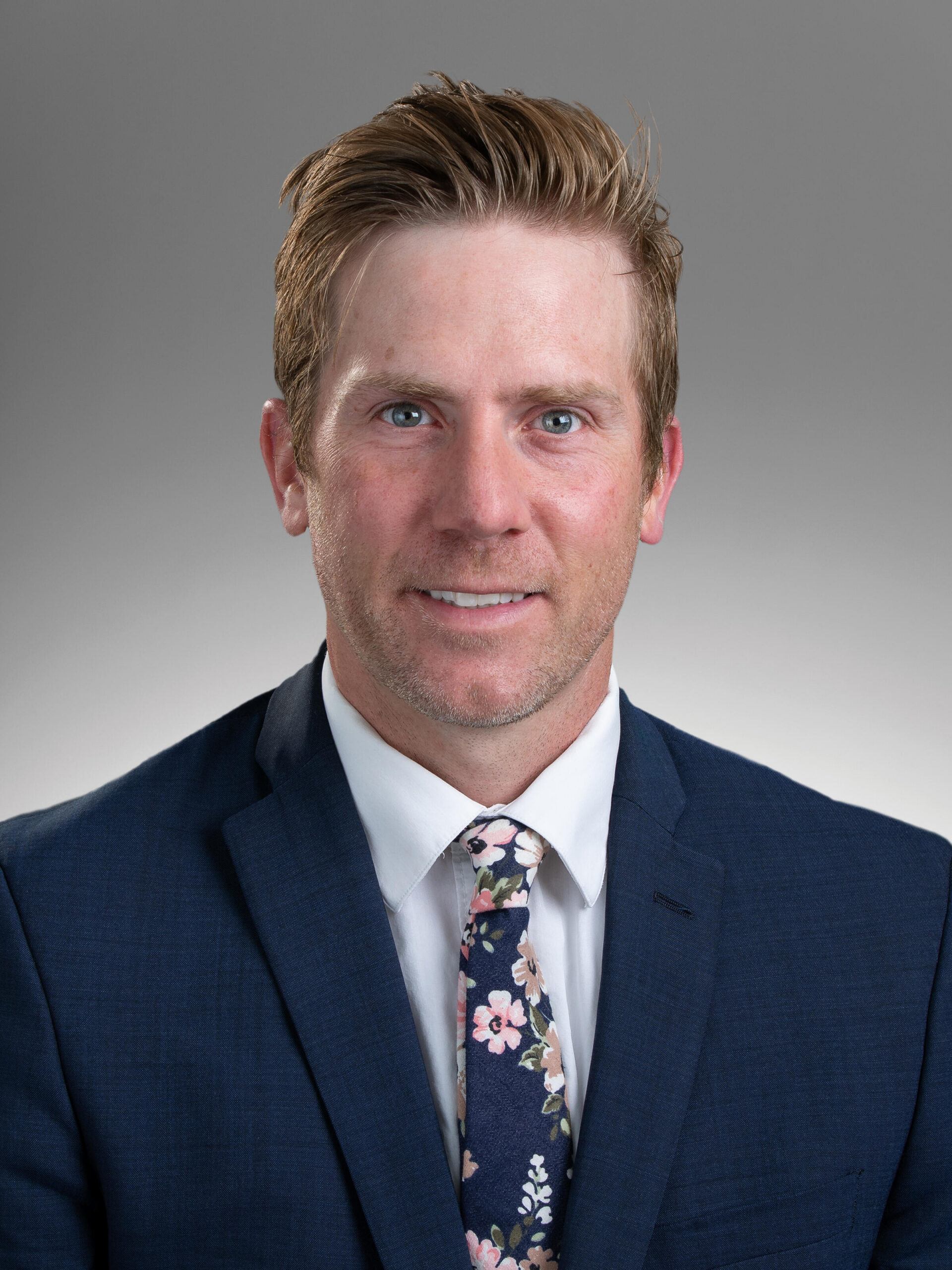
Photo by Sanford Health
Dr. Dan Almquist:
Great question. You’re talking about somebody who’s very, I kind of practice what I preach. So it’s one of those things where if I’m going to tell a patient like, you shouldn’t be doing this, then I shouldn’t be doing it myself. Or if you should be doing this. I’m going to start with the back end of that question.
What should we be avoiding? That is probably easier said than done in all realities. So a couple weeks ago actually, or earlier this year I should say, the World Health Organization came out and said, deli ham, right? Deli ham is a class one carcinogen, which means it has a similar impact on cancer and health as smoking, which is like what? Like how is processed ham as bad as smoking? So if you eat it regularly, the preservatives, the nitrates, those kind of things that are in it are super detrimental to us.
Increased risk of colon cancer. So it’s one of those things where processed foods, ultra-processed foods, there’s more and more evidence that are saying, hey, we should probably stay away from these. And so that would be kind of my first step is like, what can we avoid? And what can we, like for longevity and risk reduction in cancer, what can we stay away from? And that’s the first step. I would say processed foods, ultra-processed foods. There’s more and more evidence mounting against them saying that they’re bad for us.
The flip side of that: What should we be doing? You know, superfoods I would honestly, I wouldn’t classify as superfoods. I would say, hey, fruits and vegetables are super important and it’s honestly, the world has gotten so complicated in just terms of convenience and access and these kind of things.
You know, if we went back 400 years, 200 years and we’re like working on a farm and you’re butchering your own food, you’re planting your own garden, you’re harvesting your own things, that’s probably the best approach in terms of health. Just in general, right? So you’re eating fresh fruits and vegetables, you’re eating unprocessed meats, you’re just eating what was on the farm. In all reality, that’s probably the best thing.
And so, for me, the data has been mounting more and more that fresh fruits and vegetables, not canned per se, but whole vegetables are going to be beneficial on multiple reasons. So one is that just the vegetation itself is good for us. You talk about fibers and those kinds of things which are good for our gut health, but on these unprocessed foods, you’re going to have bacteria and microbes.
And we know more and more that these, this, these microbes on the fresh fruits and vegetables that help sustain gut flora actually reduce inflammation, promote good byproducts, and reduce the risk of colon cancers and those things. So for me, fresh fruits and vegetables, you know, fresh meats, unprocessed foods is kind of where we should go for lifestyle.
And then the two big things we always talk about is smoking and alcohol, right? Stay away from those things. Smoking is the number one risk factor. It’s going to cause you harm no matter what disease you’re talking about.
And then alcohol, there’s different kind of levels with this. The general consensus is abstinence is probably the best approach with that, but fresh fruits and vegetables, you know, they just redid the pyramid. Yeah, and I actually kind of agree with that. You know, when I look through it, I haven’t studied the recommendations in depth, but when I’ve glanced at it, proteins are good, fresh fruits and vegetables are good, whole fruits and vegetables – it’s like those are going to be the mainstay and should be our mainstay for everybody.
Courtney Collen:
Good to know. Thank you so much for the insight. Does sugar, speaking of foods, does sugar feed cancer?
Dr. Dan Almquist:
That’s actually one of the most common things. Besides supplements, like can you take supplements? The next is always sugar and what to do with it. I think that myth started with the scans that we use, right? So there’s a special scan that we use to kind of find cancer and it’s called the PET scan. And we use sugar moieties with that to kind of find where high metabolism is at, which then helps identify cancer.
So, I think that’s kind of where it came because we inject people with this moiety, they sit for an hour, they go through a scanner and we see this glucose uptake and it’s one of those things, or sugar uptake. And it’s one of those things where I think they, they think, oh man, this thing’s living off of sugar. So, the thing I always tell patients about that is like, cancer’s super evil.
If you’re not putting sugar in your mouth, it’s going to find a way to make sugar. So, if it breaks down your fat going after your liver, going after muscle, it’s going to find some way to find sugar. So if you’re not eating it, not only are you going to be starving the healthy parts of your body, so your muscles, your organs, you’re also just allowing cancer to destroy more of your body.
So for me, it doesn’t, it’s not a matter of sugar; it’s a matter of metabolism. So when there’s active cancer, there is just going to consume calories and sugar faster than the rest of your body. And so the worst thing we can do, which is really common in cancer and chemotherapy, is a term called sarcopenia or muscle loss. The muscle loss happens a lot with chemotherapies. And so if you’re not eating, if you think about a bodybuilder, right?
Like they consume a ton of calories and a ton of protein and a ton of sugar just to build muscle. So if you’re not putting that in your body, you’re going to lose muscle faster. And it’s like, man, if you want to stay walking, you want to be moving, you want to be up and down stairs. Like it’s so important to get calories and nutrition in.
I’m not afraid of sugar in these things. So those kind of things. There is some data like intermittent fasting, you know, reduced sugar, ketos, ketosis, which there’s valid data. So scientifically it’s been shown, like it improves processes. And what I usually tell people is, save it for before you have cancer or after you’ve done treating cancer, not during. Sugar’s our friend. We need energy. We need strength.
Courtney Collen:
Yeah. Thanks for clearing that up. As a medical oncologist, I can imagine you’ve seen a variety of lifestyle factors, and we’ve talked about that become common with different cancer diagnoses. If there’s one thing we should stop doing Dr. Almquist or stop consuming to reduce our risk of potentially developing cancer, what would that one thing be? Even if we’ve already talked about it.
Dr. Dan Almquist:
The number one thing’s going to be smoking. You know, in terms of just across the board, if you look at a modifiable risk factor, smoking is the number one thing. If people stopped smoking and they put me out of a job, I would be happy. I would go find something else to do. Like I love what I do, but I would gladly to go serve someplace else in the world and do something else with my life.
Courtney Collen:
But smoking – is it our knowing that people are maybe healthier, a little bit healthier, and taking care of their bodies a little bit more by just cutting that one thing?
Dr. Dan Almquist:
Yeah. So, in nonsmokers, we go back to the nutrition piece. Exercise and nutrition, you know, those are the three things and studies keep showing over and over again, exercise and nutrition. I mean, there, it’s such a simple thing. If you ask a question like eating healthy, it’s like, oh yeah, but it’s so hard to do.
Same thing with exercise, it’s like, oh yeah, that makes sense. But it’s so hard to actually do. So like in terms of just health and life in cancer reduction, it’s like if we could literally as a society nail down healthy foods and 30 minutes of exercise a day we would drastically change how much cancer we’re probably seeing.
Courtney Collen:
Let’s talk family history and risk. I may think if I have cancer in my family, it’s if inevitable for me, or if I don’t have any family history of cancer, then I’m not at risk. Can you help us clear the air with that?
Dr. Dan Almquist:
Yeah. That’s a tough one because – and there’s some blood disorders that, where we see just because you have like this genetic predisposition, it doesn’t always mean you’re going to get the disease. And so it’s one of those things where it’s hard to always to talk about just like family history because there’s so much that goes into it.
You know, was your family all smokers? Like, were they all drinkers? Were they exposed to radiation or whatever else in the environment? So a lot of times, there’s multiple things that stimulate cancer to develop. So the immune system surveillance misses it. There’s something in our environment that triggers it. But for sure family history does weigh in on that.
So there’s definitely some genetic, and we have these syndromes that run in families that predispose you to cancer. And if it’s caught in those families, then we change the way we screen and we follow and we check to make sure we’re not missing cancers earlier in life. But it doesn’t mean it’s going to happen. It’s not a hundred percent guaranteed just because your family’s had it that you’re going to get it.
And the caveat of that too is sometimes there’s cancers that run in families and we actually don’t know the genetic reason for it. We haven’t identified these genes as of yet because this is an evolving area, right? This is still ongoing research about what drives cancer and what doesn’t and what we can modify and what we can’t.
But it does not mean if you had every family member have cancer, it doesn’t mean you’re going to get it. The opposite is a hundred percent true too. Like if there’s no family history, you still can develop cancer. You know, I just, this last couple weeks I had a number of patients, they’re like, there’s zero. We have a lot of heart disease, we have diabetes, no cancer, but why did I get cancer?
And it’s like, well, you ask questions and you realize they maybe weren’t doing their routine screening. You know, the things that we’ve recommended as a medical society saying, “Hey, you should do X, Y, and Z just to make sure it doesn’t happen to you.” And you come to find out like, oh, you never did that. That’s, you know, a reason why we recommend it is to prevent these things from developing.
Courtney Collen:
Yeah. OK. Here’s another myth. I want to dive into if I feel healthy, I don’t need to worry about cancer, or I can skip a screening. A lot of people may assume no symptoms means no cancer. Why is this such a dangerous misconception?
Dr. Dan Almquist:
Oh, this is. It’s always so hard. And I always get heartbroken when I see a patient who skipped their screening. A lot of times people fear colonoscopy and it’s either from the prep or from the procedure itself. But it’s like, one of the big reasons why we do that screening and at even a younger age now, is to prevent cancer from forming.
There are certain polyps and certain family histories that will predispose you to colon cancer. And it’s like, man, if you would’ve at 50 years old or 45 years old gotten that colonoscopy and we found that you had a ton of these premalignant things, we could have followed you closely for a number of years and this would’ve never happened.
So for me, screening is so important. It doesn’t matter how healthy you are. You could be one of the most healthy people. You could live in a bubble and check all the boxes. Like, I ate right, I drank water, I didn’t smoke, I exercised. I did all those things. But there’s still so much more to cancer development than just that. So for me, screening is so important just in terms of cancer prevention, you know?
We can catch a lot of these things if we do them earlier. But you always talk to those people and you’re so heartbroken because it’s like, man, this was preventable if we would’ve just done the colonoscopy.
Courtney Collen:
Yeah. Yeah. I appreciate the insight. Beyond the screening, let’s talk about a biopsy or surgery. Here’s another myth. Can a biopsy or surgery spread cancer?
Dr. Dan Almquist:
That’s actually a tough conversation. The answer is, you know, I guess I always get this question like, oh, when the tumor’s open to air, it will spread. And it’s like, no, that’s a myth. That’s not true.
Now, there are some certain circumstances where when you do a biopsy you can develop what they call a drop met. So a metastasis next to the tumor that when, like they pulled the needle out or they did the procedure, it contaminated that tissue and then it dropped a few of those cells there. They started growing. But it is not one of those things where you go do a biopsy and then all of a sudden the cancer’s everywhere. That does not happen. So that part is just, they have aggressive cancer.
Let’s say you do a biopsy, you had one tumor, and then six weeks later you do a scan. They just had really aggressive cancer. But there is this scenario, and I think this is where that myth comes from, is that when someone got a biopsy, when they pulled the needle out, it brought a couple of those cells and put it right next, or just outside that tumor. So really that happens locally. It doesn’t spread it throughout the body. It just can move it to a local area.
And sometimes you’ll see it where they do a biopsy and then they’ll get the skin nodule and it’s like, oh, that’s a tumor in the skin. But a lot of times if we’re treating it, we can take care of it and just treat both of those at the same time.
So again, it doesn’t risk spreading it all over the place, but there’s this chance, this drop that could develop locally. If I’m honest, in the last few years, I’ve only seen that I can honestly (count on) one hand, like a couple of times. You don’t see that very often.
Our surgeons are really good in the techniques they use this day and age. Very rare that that shows up. But it does happen. But again, it’s local, not everywhere. It doesn’t spread everywhere.
Courtney Collen:
Sure. Is cancer contagious?
Dr. Dan Almquist:
No, the answer’s no. Like flat out, if my mom had breast cancer and my mom kissed me, I’m not going to get breast cancer. And so that part is a no.
But there are, you know, we know like HPV mediated infections, right? So there you could have HPV, you could pass on HPV to a partner and all of a sudden you are spreading HPV to each other, which then can subsequently, you know, oral pharyngeal cancers and other cancers related to a viral infection like that. But cancer, in of itself, you’re not going to get from another person.
Courtney Collen:
Can a patient work and live normally during their cancer treatment?
Dr. Dan Almquist:
Oh, for sure. There’s some people, honestly, every person’s different. So I always tell people that. So I do a lot of head and neck cancer, and when you’re doing chemo radiation, it is super tough, like debilitating, really morbid. There are some people, like, they go to work full-time, they live a normal life. And you’re like, man, that is amazing.
And then there’s some people that that it hits them harder. They have more side effects. And we had the management more so they back off a little bit. But I can promise you there’s probably people you know who are going through cancer treatment and you don’t even know it. They’re just living their life as normal and they’re just out in the community. They’re walking around and you would never guess like, oh, they’re getting cancer treatment right now. It’s really person-dependent.
But yeah, you can definitely, especially if your doc’s good at managing your side effects, you can live a full life. And that’s the whole goal of cancer treatment, right? Is to reduce cancer-related morbidity, give you a good quality of life, prolong your life. So if you’re getting the right treatment and the right care, you should live a full life.
Courtney Collen:
Yeah, absolutely. What have we missed? You care for cancer patients. What are some of the myths or things that aren’t necessarily true that you hear most often that you want to share with our listeners that maybe we haven’t touched on yet?
Dr. Dan Almquist:
Oh man. Well, supplements are a big thing. So that’s the big one. And it’s not necessarily a cancer myth, but there’s just so much online, you know, about ivermectin and vitamins and all these things. And the reality is we just don’t know a lot of this stuff, so in terms of cancer treatment and in terms of how we approach patients, we really just stay with what we know.
So we have scientific evidence that says that. And when you look in these trials, you know, we don’t know if you’re getting high-dose vitamin C, does it influence this chemotherapy or not? Does it influence your immune system? And so it’s really hard. So we get asked a lot about these different supplements.
At the end of the day, a lot of them were preclinical, which means they were studied in a lab and not necessarily in humans or big studies. So when you get a chemo from a doctor, they’ve been studied for lots and lots of people, big, big studies. These supplements may have been studied in a lab and there’s a dish and they run and say, hey, look, this may treat cancer really well, but the problem is maybe they’re really early in their studies, so they haven’t done full human studies.
Does it metabolize appropriately? Does it actually do anything in the human body? You know, just because it worked in a mouse doesn’t mean it’s going to work in us. So that part, we’re just different, right? We’re different animals than those mice. So the reality is, a lot of those things, when we hear about them, it’s kind of like, we just don’t know. Is it good? Maybe. Is it bad? It could be really bad. I don’t know.
So a lot of times those are the questions we face and some supplement that we hear about, and it’s just like, you know, the answer is really, we just don’t know. And so I try to stay away from those things that I don’t know. I know what treatments work. I know what meds can help with symptoms. But then when we start getting into the weeds, a little bit of these, you know, these different supplements, we just don’t have enough data to say yes or no to it.
And it’s a hard conversation because some people are just adamant that these things are going to work, and maybe they will. I don’t know. But at the end of the day, I always try to bring it back to like, this is what I know. This is the care I can provide. Right? And this is where I’m comfortable in helping you.
But there’s, again, there’s a little bit of this, like people believe it. So sometimes it’s hard to argue logic with belief because they believe in it, you know? And that’s their prerogative that they can do that. It just makes it a little bit more complicated for us.
Courtney Collen:
You’ve got to be your own advocate at the end of the day, right? But how important is it to address concerns, questions, things that you’re hearing that you want to clarify with your primary care provider, physician, oncologist? Like how important is that communication with your care team?
Dr. Dan Almquist:
Oh, that’s, so again, like I said earlier, knowledge is power. So, the more you can know, the better decision making you can make, especially under stress and that processes. So for me, I always tell patients the squeaky wheel gets the grease, right?
So you know, it’s one of those things where if you’re making noise, you’re asking questions, you know, I’m going to do my best either to answer them with the knowledge I know or go help find information for you. And so I think, especially at our cancer center, I know that’s kind of the mentality here.
Truly we want to do what’s best for the person in front of us. We want help them the most. If they have questions about the things, we want to discuss them. I’d rather know about it, talk about it. If the patient decides to do something that I don’t necessarily agree with, that again, that’s up to them and that’s their life, and I’ll talk about it with them. But I think talking through things and discussing kind of the risk-benefits and those things regarding anything, you know.
Like, “Can I go to Mexico this weekend?” It’s like, well, you know, “Yes, but we’ve got to do this.” So it’s always good to have conversations about everything. So for me, squeaky wheel gets the grease. If you have something that you desire or a question you desire, bring it forward. We’ll talk about it. And I think most docs truly, they go into this to help you and provide the best care possible. And part of that is just that communication piece.
Courtney Collen:
Dr. Almquist, if a listener has a loved one, maybe, or a friend who has been recently diagnosed with cancer, how would you encourage showing support? I’m sure patients come in, they’ve got a support person, whoever it may be, their questions maybe revolve around, how can I show support? What can I do? Because I’m sure it’s so hard to not be able to do anything to physically take the cancer away. Right? Or the symptoms around treatment, make someone feel better. What can we do to support a loved one or a friend who is going through cancer?
Dr. Dan Almquist:
Oh, that’s a great question. Obviously being there to just talk. For me, the cancer just affects you physically, mentally, emotionally, spiritually. So being present, being open to conversation is number one. At the end of the day, this is something I’ve learned over the last few years which was, so for me, when someone pieced it together for me, it was so insightful for me.
One of the big struggles is when you get diagnosed with cancer, you feel this loss of control. It’s like your body’s doing something you don’t want it to do. These doctors are telling you this stuff. You have to do medicines you don’t want to do. And so you lose a lot of control in your life, which I always think, you know, we have this illusion that we control everything, even though we can’t predict tomorrow. But we, we lose control.
So one of the biggest things I think family members can do is allow a patient to make decisions and control some aspects of their life. You know? And it’s hard when you’re passionate about something, you love something, someone so much, and you’re just like, you’ve got to do this, you’ve got to do that. But at the end of the day, giving some control back to that person, I think is hugely beneficial for them.
It gives them kind of a solid point to stand on. Like, I’m still in control of these aspects in my life. And I think that’s one of the hardest things about cancer is that you just feel like you lose control. So giving that back to them, allowing them to get some control in their life I think brings some peace during the journey.
Courtney Collen:
Dr. Almquist, is there anything else that we didn’t touch on that you would like to add here today as we wrap up?
Dr. Dan Almquist:
I think these questions are great. They truly are things that we face as oncologists or hematologists-oncologists every day. And they’re that process of talking through it, that journey is hard. And like, even as an oncologist, like I try to give the patient as much control as I can, right? I kind of just say I’m here to teach you, educate you. Your job is to decide on what you want to do with this.
And I would say if you’re going to make some crazy decision, I’ll try to try to redirect you a little bit. But at the end of the day, I think it’s a hard, hard journey for patients to go through and families. It’s so devastating and you hear in the news, like if you watch the news, you see people pass away from cancer all the time. It affects literally everybody. It doesn’t have wealth or position or anything. It affects everybody.
So again, I think the best thing to do is get information, ask questions, bring it to the table, have a conversation about anything. If it’s your fears, if it’s your anxieties, if it’s medicines, if it’s supplements, bring it to the table. Our job as physicians is to actually educate you and teach you and help you navigate these really tough things in life.
Courtney Collen:
Well, that’s why we are so grateful for your expertise, your insights here. I really, really appreciate this valuable conversation. It’s not always an easy one to have, but we really do appreciate your insight and all that you had to offer on this topic. Thank you so much for your time.
Dr. Dan Almquist:
I thank you. I appreciate being here.
Courtney Collen:
This episode is part of the “Health and Wellness” series by Sanford Health. For additional podcast series by Sanford Health, listen wherever you hear your favorite podcast and on news.sanfordhealth.org.
Get more episodes in this series
…
Posted In Cancer, Cancer Treatments, Fargo, Health Information, Specialty Care, Symptom Management