
Episode Transcript
Dr. Jesse Dirksen:
There’s a lot of different treatment options and paths for the patients to go down, and we want to make sure we have the right path for that patient.
Traditionally we’ve always done surgery first but there are some certain types of breast cancers like triple negative or HER2-positive, or those women who have cancer in the lymph nodes where we will actually start with chemotherapy first and then do surgery afterwards.
Courtney Collen (host):
This is “One in Eight,” a podcast series by Sanford Health. I’m your host, Courtney Collen with Sanford Health News. One in eight women will be diagnosed with breast cancer during her lifetime. So we want these conversations to shed light on awareness with expertise from our Sanford Health providers that could save your life for the life of someone you love.
Today’s episode focuses on after a diagnosis, understanding your surgical options and what you could expect through care at Sanford Health. I have Dr. Jesse Dirksen, who specializes in breast surgery and serves as the clinical chair of the Edith Sanford Breast Center. He’s located in Sioux Falls, South Dakota. Dr. Dirksen, welcome.
Dr. Dirksen:
Thank you for having me.
Courtney Collen:
Thanks so much for your time. Let’s start with this: How is a surgical treatment plan determined for a patient?
Dr. Dirksen:
You know, that’s a great question. For most patients, there’s two surgical options: they can do something called a lumpectomy, or we can do what’s called a mastectomy.
Now a lumpectomy means we literally just take out the tumor, a little bit of tissue out around it, and we can preserve and save the breast. Mastectomy means we remove all the breast tissue, and then there’s options there where we can do reconstruction, and I’m sure we’ll talk about that later.
But fortunately, you know, most women who come to us are diagnosed on a mammogram, and we find a mass before it’s felt. And then that does make a patient amenable to doing a lumpectomy, a less invasive surgery where we can preserve the breast.
Now, one of the other factors we go into that is it’s a team-based approach and every Monday we have what’s called a tumor board, or a breast cancer conference, where all the doctors get together in a room and we talk about all the new patients for the week. And there’s surgeons there, there’s oncologists, radiation doctors, radiologists, pathologists, geneticists, plastic surgeons, research people, clinical trial people, nurse navigators. So it’s a big team and we review everybody’s imaging. We go over their pathology report, and then we talk about the treatment plan, just so we have a unified agreement on what’s the best plan for the patient.
Courtney Collen:
How important is that collaboration when it comes to the patient’s care?
Dr. Dirksen:
It’s not just one physician’s input. We need all the disciplines involved and make sure we have the right safe, effective plan for the patient. And, you know, breast cancer, it is becoming pretty complicated. There’s a lot of different treatment options and paths for the patients to go down, and we want to make sure we have the right path for that patient.
Traditionally we’ve always done surgery first but there are some certain types of breast cancers like triple negative or HER2-positive, or those women who have cancer in the lymph nodes where we will actually start with chemotherapy first and then do surgery afterwards. So the team approach is definitely preferred in this day and age.
Courtney Collen:
Sure. Absolutely. And I feel like knowing that would really put a patient at ease and give them the confidence to know they are truly in good hands.
Dr. Dirksen:
Exactly. For being a patient, understandably, it’s a very anxiety-inducing time. Very scary. And to have the knowledge that you have a whole team, multiple doctors, support staff, looking at your case even before we start a treatment, is very reassuring to them.
Courtney Collen:
Absolutely. We talked about a lumpectomy and a mastectomy. As a hidden scar, certified breast surgeon, Dr. Dirksen, you perform procedures like the nipple sparing mastectomy. Is that what it sounds like? Do you essentially keep the nipple intact?
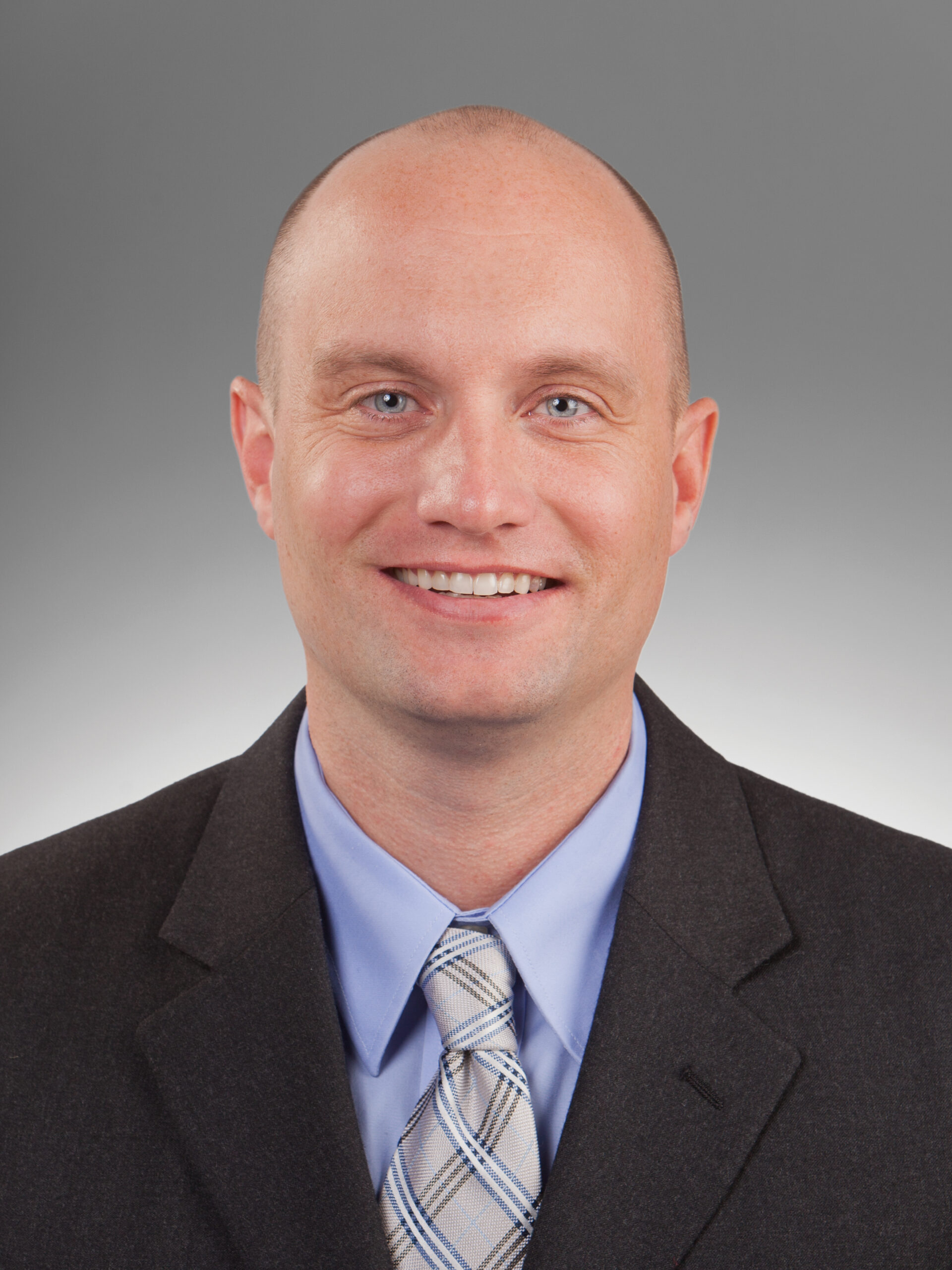
Photo by Sanford Health
Dr. Dirksen:
Yeah. To, to answer that question in a long way, about two-thirds of women will go down the lumpectomy path. And again, lumpectomy, we just take out the tumor, preserve the breast. We really try to hide scars with this procedure.
Generally we’ll make an incision around the nipple or the aeriolar border, and we’ll take out the tumor through that incision, and that scar hides really well afterwards. Sometimes we make an incision along the fold of the breast underneath or in the armpit.
There’s been a greater emphasis in the past five to 10 years about cosmesis. You know, obviously we want to do a good cancer surgery. But we really care about outcomes, cosmetic outcomes afterwards.
Some women choose mastectomy or need a mastectomy, whether the tumor’s large or if it’s involving the skin or the muscle. And we have some amazing options with mastectomies nowadays.
I do have some women that decide to do what’s called simple mastectomy. Simple mastectomy means we remove the nipple and the skin, and we take out the breast tissue down to the muscle. We leave the muscle alone. And then we try to make the front part of the chest as smooth as we can. And then those patients, when they’re healed up, they can wear prosthetics inside their bra. And we have ladies in the Bloom Boutique that specialize in that and can help the patients with that process.
Now, a fair amount of patients will do what’s called breast reconstruction. And we do what’s called immediate reconstruction. So I get the plastic surgeons involved, and they do reconstruction during the mastectomy, so everything’s done during one surgery. And that process has changed significantly, too, over the past decade. I have four wonderful plastic surgeons here at Sanford, and they typically now put implants on top of the muscle, so it’s much less sore, quick recovery, and they’re usually able to get the full implant in right away.
And then you inquired about nipple sparing mastectomy. So this has been a really popular option, especially in our younger patients where we make an incision along the bottom fold of the breast, and I take out the breast tissue through that incision. And then the same surgery, the plastic surgeon puts the implant in through that incision. So when the patient’s upright, that scar isn’t even really visible.
Now, obviously, saving the nipple in the skin is a very nice cosmetic outcome for patients and it’s a very desirable outcome. It works really well for A, B, C-cup breasts. When we get to larger breasts, it can be a little bit difficult. And then also we want to make sure that that cancer is away from the nipple, that it’s safe to do. The plastic surgeon and I communicate a lot, and obviously number one is cancer. We got to do a good, safe, absolutely sound cancer surgery, but we really have a lot of emphasis on cosmesis now.
Courtney Collen:
Thank you. Are there any myths or misconceptions people have about breast cancer surgery, specifically around fears ahead of surgery? Maybe we can debunk some of those now.
Dr. Dirksen:
Absolutely. And I see these when patients initially come in, obviously they have a lot of fear and anxiety and, you know, they get on Dr. Google and talk to their neighbor and unfortunately there’s a lot of untrue information out there, and a lot of myths, you know, kind of even coming back a little bit.
A lot of patients are concerned about their biopsies. Patients are worried about the needle activating or spreading the cancer, but that’s not true.
And then I also have some patients worried about when we get to the OR, I hear, oh, if you open cancer to air, it’s going to activate it and spread it. But that’s not true.
Also, I think probably the biggest myth I come across in the clinic is, understandably so, women come in and say, remove them both. I just want to double or bilateral mastectomy. I don’t want to deal with this again. The truth is that we’ve have 50 years of data, a lot of clinical trials, and we have shown that a lumpectomy with radiation has the same outcomes as a mastectomy in terms of survival, how long a patient’s going to live, and also recurrence rates, the rates of cancer coming back. So really what a lumpectomy versus a mastectomy boils down to is tumor size to breast size. It has nothing to do with the type of breast cancer.
Some women think, oh, if I have an aggressive breast cancer, I have to do a mastectomy. And that’s not the case. So if I feel like as a surgeon, I can get around the tumor safely, have a good margin, and have a good appearance of the breast when we’re done, that does allow the patient to do a lumpectomy.
Other myths I hear too, they’re worried about, you know, being disfigured after surgery and with a lumpectomy, generally the size and shape and the contour of the breast is well maintained. Again, we try to hide those scars really well. And our reconstructive options have come a long ways, and there’s different sizes and shapes and profiles of implants, and we try to get as natural looking breast as we can. You know, I always tell patients nothing is ever going to look and feel like your own breast tissue, but if you need a mastectomy, we generally try to get that shape and contour recreated for the patient.
Courtney Collen:
Thanks for walking me through some of those. Really important for the listener to hear as well. Now, walk me through the date of surgery, Dr. Dirksen, followed by that recovery time pain management involved in post-op.
Dr. Dirksen:
Yeah, great question. So, two paths. So a lumpectomy patient, typically a lumpectomy surgery will take about one hour to confuse the listeners even more. A lot of times with invasive cancers, we do have to take out two or three lymph nodes under the armpit just to make sure that the cancer hasn’t spread.
So sometimes there’ll be an incision on the breast and one in the armpit. And again, that surgery takes about one hour. Usually it’s two hours in recovery, and they go home that day. So there’s no drains, no hospital stays, stitches are buried, they dissolve.
My only limitation on patients: there’s no lifting more than 20 pounds for two weeks. So still a big surgery, still some recovery, but patients kind of get back to normal day-to-day stuff pretty fast.
Now, with mastectomies, let’s say we did double or bilateral mastectomies with implants, that total surgery takes about three to four hours. So I do the mastectomies, lymph node surgery, plastics comes in, puts in the implants about three to four hours, and then those patients spend usually one night in the hospital, sometimes two.
The body does like to swell with that surgery. So my plastic surgeons do have to leave drains in on each side to collect the extra swelling. And the drains are annoying but they’re easy to take care of. They usually leave them in for around two weeks and then take them out in the office.
And then most plastic surgeons tell those patients, no lifting more than 10 pounds for about six weeks.
We always try to monitor pain control. We have some really good local anesthetic numbing medicine that we use during surgery, and there’s some new anesthetics that last up to three days. So that really helps with initial pain control. You know, we always make sure they have the appropriate pain medicine when they go home. And if they have any concerns about infection or anything like that, we make sure that they call right away.
Courtney Collen:
I’ve met so many patients who received a diagnosis and then it was like they were on the fast track to care. And depending on how aggressive their cancer diagnosis is, you know, things are happening quickly. Dr. Dirksen, what are some of the emotional challenges patients may face when making some of these big decisions and so quickly, you know, and so suddenly in many cases of their lives.
Dr. Dirksen:
You make a great point. So again, I’m usually one of the first people to see the patient after diagnosis. And, like we stated before, it’s a very scary time, anxiety inducing. It’s one of the biggest hurdles that a patient will face in their life when they hear that cancer diagnosis. And it’s not only just the patient; it’s their family. It’s their spouse, loved ones and family members and children.
So the goal of my visit with that patient is not only to explain what’s going on, what your cancer diagnosis is, and also the options for treatment. But I also want to let them know that we have an amazing team taking care of them. We have the latest and greatest here at Edith Sanford. And also we have great support staff too.
Fortunately, during my initial visits, we have what’s called nurse navigators and they work with all the breast cancer patients here. They’re a great resource for support groups, or whether you need some mental health coaching or any other services that we can provide at Edith Sanford. We really care about the emotional, psychological impact, not just the physical one.
Courtney Collen:
Thank you for that insight. Really important as we talk about this. How can we as loved ones or friends support those patients in feeling empowered through this process?
Dr. Dirksen:
Yeah. Oftentimes I find it just as challenging for the significant other, spouse or, and especially the children dealing with this because as a generalization, you know, most husbands are fixers and they can’t fix this and it’s challenging for them. I think as a loved one or a significant other family member or spouse is just support that patient with what they need from day to day.
And the mentality of patients never ceases to amaze me. I have some patients coming in really anxious. I have some patients coming in very tearful. I have some patients coming in with, we can do this, let’s beat this, you know – a really positive, let’s do this type attitude. So every patient is different and kind of what they need can be different too.
Courtney Collen:
Thank you for that. Let’s talk about how early detection could change the surgical journey. If we found a lump early, for example, could that possibly lead to less invasive procedures?
Dr. Dirksen:
Absolutely. So, you know, we think a lot about mammogram, and mammograms have been scientifically studied for decades, and we know they’re one of the screening tools that actually saves lives. And it decreases mortality rates.
So currently at Edith Sanford, we’re recommending the average-risk woman to begin an annual mammogram starting at age 40. There’s a lot of different guidelines out there, different societies, but starting at age 40 mammograms once a year. If patients start these, and generally mammograms will pick up on a cancer even before we can feel them.
So over 80% of the cancers I see, I can’t see or feel them. They’re only detected on a mammogram. And if we can find that cancer at a smaller size and earlier stage, that definitely allows the patient to do a lumpectomy, a less invasive surgery, be able to preserve the breast and then also, we’re hopefully catching this cancer before it spreads.
And the very first place breast cancer goes to is to the lymph nodes in the armpit and their lower glands that fight infections and drain fluid. And our radiologists here do a really good job of not only doing mammograms, but a lot of times they’ll ultrasound the lymph nodes in the armpit and they’ll get a good look at those. And they can be pretty accurate on whether we feel that there’s cancer in the lymph nodes or not. And if they’re concerned about the size or shape of the lymph node, they can do a needle biopsy to determine if there’s cancer in that lymph node.
Courtney Collen:
Talk to me about breast self-exams. Before we turn 40 and start those regular annual mammograms, how can we stay proactive about our health? I mean, some of the patients I’ve talked to are in their late 20s, 30s, getting diagnosed with breast cancer because they found a lump themselves in the shower or wherever they were. But a breast self-exam is how it starts for some people. And, talk about the importance of that before 40.
Dr. Dirksen:
That’s an excellent question also and there’s a lot of controversy with this right now. Most societies, medical societies, cancer societies are actually discouraging women from doing self-breast exams, really. And the theory with that is most lumps that patients feel will turn out to be benign non-cancer. So it leads to kind of a unnecessary workup or biopsy.
However, at Edith Sanford, we encourage what’s called breast awareness. We want patients to be comfortable with how their breasts look and feel to kind of look at the shape in the mirror, feel the texture of the breast. So if they do notice a change, they’re made aware of it, and they can contact their primary care provider to do the appropriate workups.
So we do encourage women to do their breast exams, be familiar with their tissue, and then if any chang is noted, they can alert their primary. Now you’re absolutely right. I just saw a lady yesterday, a young gal in her upper 20s, and she found her own lump, so it does happen.
Courtney Collen:
Yeah. Very scary. But again, important to stay aware of your own health, have that breast awareness. And then of course, you know that relationship with your primary care provider to begin the conversation if need be.
Dr. Dirksen:
Another hot topic in the breast world right now is dense breast tissue. So a lot of patients will get their mammogram and then they’ll get a letter saying they have dense breasts. And what do you do about it? 50% of all women getting mammograms will have dense breast tissue. So it involves a large percentage of women.
And the one category we really care about – well, we care about all categories, obviously, but is extremely dense breast tissue, and this is about 10% of women. And with extremely dense breast tissue, sometimes that can lower the sensitivity of mammogram, where it can be a little bit harder to detect things. So in those patients, we do have other capabilities.
We have what’s called contrast enhanced mammogram. We have ultrasounds and then also breast MRI. So I would encourage women with extremely dense breast tissue to maybe talk to their primary care about it. And see if there’s other imaging modalities that we can utilize in them.
And then also at Edith Sanford, we actually have a breast specialty clinic, which is a breast clinic for women who might be at high-risk of breast cancer. And patients can be referred to this clinic. They can self-refer themselves and they meet with a breast provider, and also they actually meet with a genetic counselor. And between these two visits, same day, typically the provider decides if there’s any additional imaging we should be doing. It teaches the patients how to do self-breast exams at home. And then the genetic counselor can estimate a patient’s risk.
And some patients have a very strong family history of breast cancer. Maybe they’ve had multiple biopsies before, they’ve had high-risk lesions, et cetera, et cetera. And if a woman’s risk is high enough, then the clinic would keep monitoring these patients. They would qualify to do mammograms and MRIs, and then also they would talk to the patient about genetic testing. And this is DNA testing. And if the patient meets criteria, they can do genetic testing, which means they take some blood, they send it to a lab, they run a patient’s DNA to see if there’s any genetic mutations or breast cancer genes in the family.
And if the testing comes by clean, great. If we do find a genetic mutation or a breast cancer gene, then that would put that patient at very high risk of breast cancer. And then we have some options for that patient. And then also that patient has the ability to tell family members about that, and then they can pursue testing for themselves.
Courtney Collen:
I had a fascinating conversation with Dr. Andrea Kaster about this exact topic and why breast density affects your mammograms. And it was eye-opening because here I am thinking, well, you know, you can’t just touch your breast and say, “I think these feel dense. I should probably go get checked.” But she said it’s very common and that it is a hot topic right now. So I would point listeners to our conversation as part of this “One in Eight” series about dense breast tissue. Thank you, Dr. Dirksen.
Dr. Dirksen:
The only other thing I would mention is we do offer preventative surgery too. So for women who are at, truly at high risk of breast cancer, or those who are found to have a genetic mutation like a BRCA, BRCA1 or BRCA2 gene, we do offer prophylactic or preventative mastectomies.
Now, this isn’t a right option for most people, but for those who are extremely high risk of breast cancer we can do bilateral double mastectomies with reconstruction before a cancer sets in. And mastectomies gets rid of about 98% of the breast tissue so we can lower a patient’s risk of breast cancer pretty low.
And unfortunately, there’s a lot of high-risk women in our community and surrounding communities and this has become more of a popular option for that patient. And again, not a good option for most patients, but I do want to make women (aware) who are truly at high risk, this is another avenue for them to pursue.
Courtney Collen:
Yeah. Thank you for adding that in here. Dr. Dirksen, thank you so much for this insightful and thoughtful conversation. Learned so much. Appreciate your time and all that you do with the Edith Sanford Breast Center here in Sioux Falls.
Dr. Dirksen:
No, thank you. And thank you for doing this.
Courtney Collen:
Thank you. This was another episode of “One in Eight” by Sanford Health. For more podcast series by Sanford Health, find us on Apple, Spotify, and news.sanfordhealth.org.
Get more episodes in this series
…
Posted In Cancer, Cancer Treatments, General Surgery, Health Information, News, Plastic Surgery, Sioux Falls, Specialty Care, Women's