
Episode Transcript
Dr. Keely Hack:
It is really hard to, I think, follow recommendations if you don’t have any idea why someone is recommending to do these things. And so a huge part of our job is really providing that education of, “I recommend this for you, and these are the reasons why.” So that people really could feel empowered and educated to make the best decision that they can for themselves.
Courtney Collen (host):
This is “One in Eight,” a podcast series by Sanford Health. I’m your host, Courtney Collen with Sanford Health News. One in eight women will be diagnosed with breast cancer during her lifetime. So we want these conversations to shed light on awareness with expertise from our Sanford Health providers that could save your life or the life of someone you love.
In this episode, we are addressing some of the biggest myths around breast cancer from detection to diagnosis and treatment, and we’re debunking them right here.
I have two guests with me now from the Edith Sanford Breast Center. Dr. Keely Hack is a specialist in hematology and oncology, and Dr. Jamie Williams is a breast radiologist specializing in all aspects of breast health, focusing on early detection of breast cancer. If you ask me, there are no two better medical experts for this conversation, so I am super grateful to have you both.
Welcome, Dr. Hack, Dr. Williams. Thanks so much for your time.
Dr. Jamie Williams:
Thank you so much for having us.
Courtney Collen:
When you think about some of the misinformation that can spread quickly about breast cancer, do you find yourselves often clarifying some of these things for patients in the clinic?
Dr. Keely Hack:
Definitely. Yeah. A lot of questions.
Dr. Jamie Williams:
I view that as a really big part of my job actually, is we have women come into our clinic for diagnostic breast imaging every day, and I try to speak with each of them individually and educate them and make sure if they have any questions or concerns or things that they want to clarify, we can talk about it. So education is a really big piece of what we do.
Dr. Keely Hack:
Definitely.
Courtney Collen:
I’m so glad you mentioned that just to get things started here. OK. Let’s walk through some of these myths, misconceptions, and kind of debunk them as we go. The first one: “Getting a callback for a lump in your breast means you have cancer.” Dr. Williams, I might start with you there.
Dr. Jamie Williams:
We read screening mammograms. We recommend annual screening mammograms for all women, ages 40 and above, and about 10% of those screening mammograms will be a callback. So we’ll see something on the mammogram that we want to look at further. Of those callbacks, about 10% will go to biopsy, and then about 10% of those are actually cancer.
A very small percentage of those callbacks turn out to be cancer. But part of our job is to make sure that if we see anything, we’re going to call it back and we get additional views. We get ultrasound and help clarify what it is that we’re seeing.
So, it is not definitely cancer when we call it back. Actually, most of them aren’t. We need more information to be able to see if what caught our eye is something or isn’t. I think I see that women who get called back, especially early on, have a lot of anxiety.
Every woman that I see in my clinic has a friend, mother, grandmother, aunt, cousin, somebody who’s gone through breast cancer. And so it is a real fear. The anxiety is real. That being said, you know, I like to reassure people that it is part of the screening process is, you know, occasionally getting called back, staying in the moment and not writing the worst story ahead is an important thing to keep in mind.
Also, I think that as women go on, if they have a couple callbacks over their time, maybe previous ones have gone well. I have such amazing technologists and team to work with. We try to keep our patients calm and just understand that it’s a normal process of the screening process is to sometimes get called back. Most of the time it’s nothing. And if it is something, we’re going to be there to take care of you.
Dr. Keely Hack:
I think reminding yourself that, like Dr. Williams said, the vast majority of those callbacks are not cancer. And so kind of, I always often tell my patients innocent until proven guilty. Let’s remind ourselves that the vast majority of the time that these are not cancers. And to kind of live in that space until you hear the next steps. Because yeah, it can be, I’m sure very scary.
Courtney Collen:
“Only women who have a family history of breast cancer are at risk for breast cancer.” You’re shaking your head “no.”
Dr. Keely Hack:
No, I hear that often in my clinic. You know, when I’m seeing women for the first time and they’re still processing that initial diagnosis and they’re in shock. And I often hear, “This was not on my radar. Nobody in my family has ever had breast cancer. I never thought I was going to have to deal with that,” which it’s a big diagnosis to come to grips with, and there’s a whole lot of processing that goes along with that.
But what I often tell people is the vast majority of women who have breast cancer have no family history of breast cancer. There are a small number of women who have an inherited gene that we know increases their risk for breast cancer quite significantly. But the vast majority of breast cancers are what we call sporadic breast cancers. Those are breast cancers in women who have no family history, have never had any breast problems before.
There are a lot of women too who say, you know, “I did everything right. I’m super healthy. I eat right. I exercise, I’ve done all of these things, and yet still I’m here.” I think we like to think that, well, if we do all of these things and we don’t do all of the things that we know increase the risk that I’m going to be fine. And I wish that were true. I wish we had more control over those things. But there’s so much that we don’t have control over. And so there’s a lot of women who end up in my office who never expected to be there.
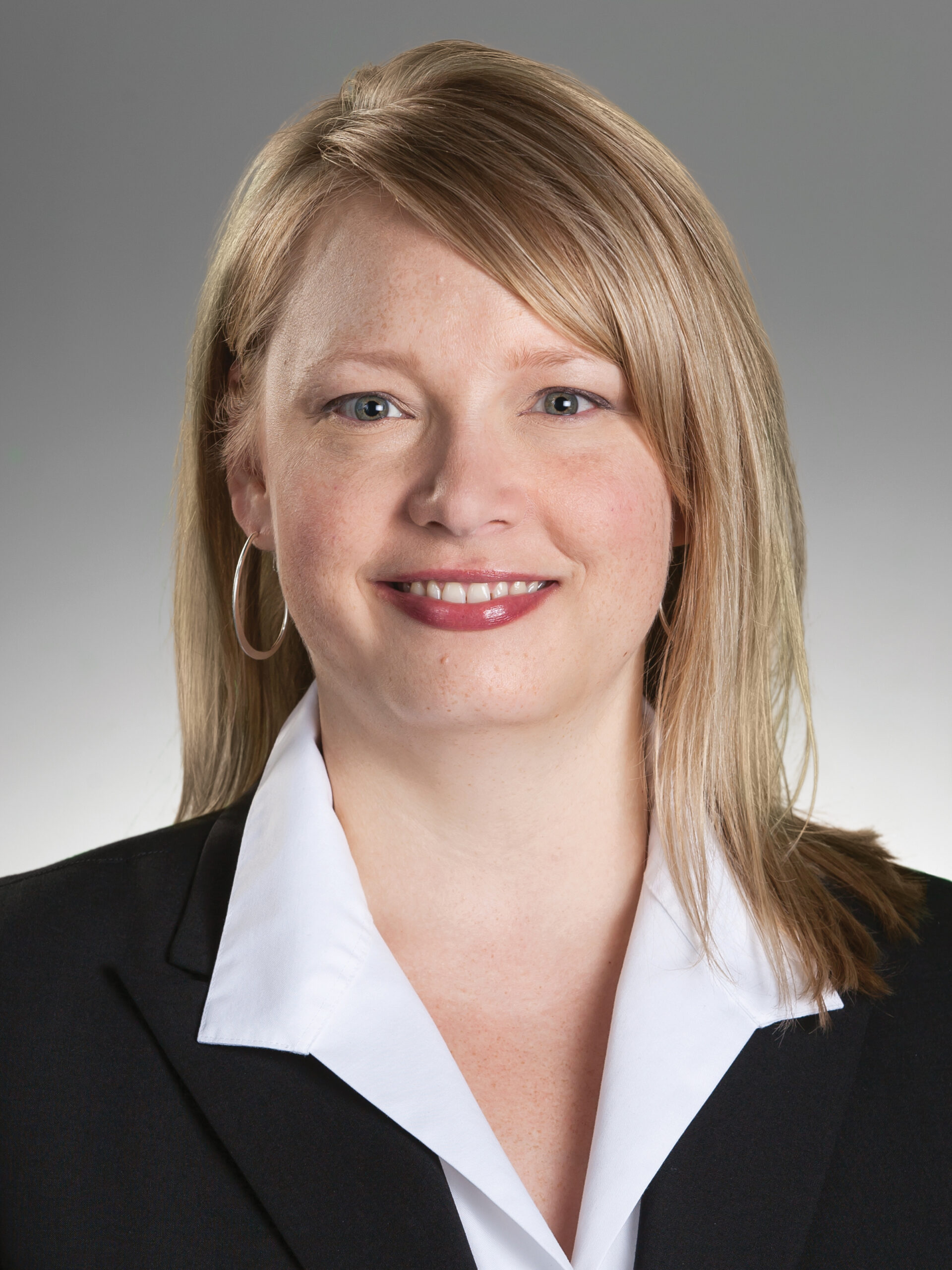
Photo by Sanford Health
Courtney Collen:
Those who have a family history of breast cancer who might be worried that they would get breast cancer or carry that gene, whatever it may be, doesn’t necessarily mean that they’re going to be diagnosed, you know? Is that true?
Dr. Keely Hack:
That is absolutely true. Yes. They certainly have a higher percent risk. The average risk for women is 12.5%. About one in eight women will develop breast cancer in their lifetime. And people who have an inherited, say, a BRCA gene mutation or a check two mutation, they have an increased risk, but it’s not a hundred percent sure that they will develop it.
You know, that’s a space they have to live in, knowing that, OK, my risk is increased, but how do I pay attention and how do I make sure that I’m getting the screening? So we do increase the screening, and I’ll probably let Dr. Williams talk a little bit more about how we do that, but kind of making sure that they know what their risk is, that they know what to watch for, and that they keep up with their screenings.
Courtney Collen:
Yeah. Dr. Williams, maybe we can speak to that now. When someone has a history of breast cancer, what does that mean for them? Do they wait until they’re 40 for that first mammogram? Talk through what that care journey looks like.
Dr. Jamie Williams:
For family history of breast cancer, the general guidelines I like to give patients is we look at first-degree relatives, so moms and sisters first. And if you have a first-degree relative with a history of breast cancer, particularly if that age was under 60, that’s one of those things that I would look at and say, hey, let’s make sure you get your lifetime risk of breast cancer calculated.
Or if you have multiple second-degree relatives. So if you have second-degree relatives, include grandparents, aunts. Typically, you know, there are online sources that you can do it yourself, but you oftentimes we have our patients go to the genetic counselor so we can make sure that it is done correctly and get into the electronic medical record.
So if I have a patient who I see either in their family history on the form that they fill out when they come to get a mammogram, or in talking to them in clinic, that I see a pretty significant family history there. I think, hey, let’s go get that lifetime calculated. I’ll usually recommend our breast specialty clinic and have them go see our genetic counselors to get that officially calculated.
And what I like to counsel my patients on is when you go see the genetic counselor, they’re not going to draw your blood and do a genetic profile. What they do is they ask you all sorts of questions regarding your risk factors for breast cancer, including family history, which is probably the largest component there. And then they put that into a statistical model. That model is able to calculate and a patient’s estimated lifetime risk of breast cancer.
And the reason that’s important is because if that person’s estimated lifetime risk of breast cancer is above 20%, we do recommend additional and earlier screening than the general population. So the American College of Radiology recommends all women get screened from a family history perspective before the age of 25. But obviously as we age, new family members may develop breast cancer. And so we have to continually update that family history as well.
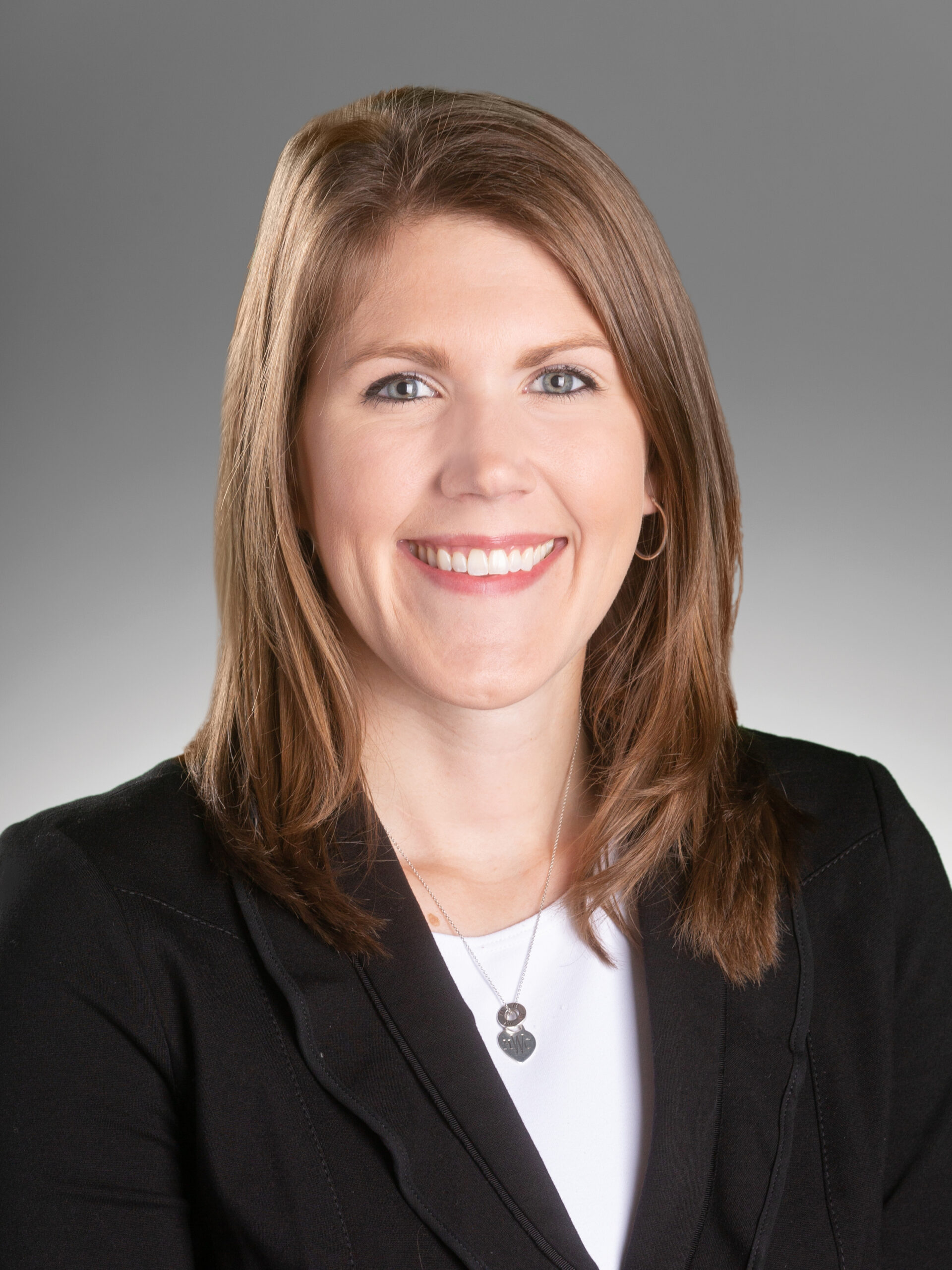
Photo by Sanford Health
If you are at an elevated lifetime risk of breast cancer above that 20%, then we recommend yearly MRIs starting as early as 25 for some of our really high-risk patients. And screening mammograms starting at the age of 30 yearly. And so completely different screening regimen that we recommend for our high-risk women. And usually that’s largely based on family history.
Courtney Collen:
So under 25, where would that conversation start? Like in the clinic with your primary care provider?
Dr. Jamie Williams:
Correct, yes.
Courtney Collen:
Thank you.
Dr. Keely Hack:
We do have our breast specialty clinic here. And so that’s a place where women, if they’re concerned about their lifetime risk, and maybe they’re under 25 or maybe they’re over, but they can ask their primary care provider for a referral to this breast specialty clinic. And that often will include that visit with genetic counseling, and it will include a visit with a breast specialist.
And that breast specialist is either a physician or a mid-level provider who will, they usually will follow them yearly if they are determined to be at elevated risk and make sure that they’re staying on top of their breast exams with a breast specialist and making sure that they’re staying on top of that screening schedule that Dr. Williams talked about.
Dr. Jamie Williams:
Absolutely. Dr. Hack, that is a great resource for our patients.
Dr. Keely Hack:
Such a great resource. Yeah.
Courtney Collen:
Thank you. “Breast cancer only affects older women.” We’ve seen younger women diagnosed. So I already know that’s not true, but can you speak to that a little bit to talk about the age range that you see in the clinic when it comes to a diagnosis?
Dr. Keely Hack:
Yeah. So increasing age is probably the number one risk factor for developing breast cancer. But unfortunately there are a number of women younger who do develop breast cancer. A lot of them have a strong family history or have a known genetic mutation that they’re carrying. But not all of them, certainly, you know. We see women sometimes as young as 25-ish, pretty rarely younger, but it’s not impossible.
I think the thing to really keep in mind is if you are younger than 30, if you’re any age, and if you feel something different in your breast, don’t think, “I’m too young. This can’t be breast cancer.” If you go and see somebody to have it evaluated and they say, “no, you’re too young,” advocate for yourself because we do see people younger. And the sooner that we catch it and diagnose it and can start a treatment plan, the easier that treatment is likely to be, the more successful we are likely to be in curing that breast cancer. So, don’t ever be afraid to advocate for yourself.
Dr. Jamie Williams:
Yeah. We have women diagnosed in their 30s and 40s pretty routinely. Thankfully it is less common than in older women but the other thing to remember or to know is that oftentimes breast cancers in younger women tend to be more aggressive. And so that earlier detection is even more important for our younger patients compared to our older patients. Now, every patient and every cancer is unique. And so that is painting a wide brush there.
But you know, I echo what Dr. Hack said is that particular for women in their 30s and 40s or late 20s, if you feel something in your breast, it is far better to come in. Get it checked out. Most of the time it’s not cancer. But we’d always rather be safe than sorry. And that’s a conversation we have all the time.
Dr. Keely Hack:
Absolutely. Yeah. I certainly don’t say that to try to scare people. But you know, if you feel like, “Hmm, this is a hard lump and this definitely wasn’t here before and I’m really concerned about it,” always best to get it checked out.
Dr. Jamie Williams:
We are always happy to take a look. Always. I know I tell my patients all the time, if you’re concerned, for patients who have lumpy, bumpy breasts, they say things are coming and going and I have a hard time knowing when to come in and when not to.
A general rule of thumb I like to give my patients is if you feel a new lump and it stays around for about six weeks, through a menstrual cycle, that’s when I usually say, “Hey, come in and get it checked out.”
Courtney Collen:
Thank you. Yeah. Great insight there both of you. Next myth here: “If I’m diagnosed with breast cancer and need to undergo chemo for treatment, I lose my chances for having a baby or preserving fertility.” Dr. Hack, I’ll start with you.
Dr. Keely Hack:
Thankfully that is not true. We do know that chemotherapy can decrease fertility. And that there is a risk. And that is why we are very cognizant of making sure that women have the opportunity to meet with a fertility specialist before they start treatment.
So kind of anybody who is, you know, that age, that upper cutoff age is kind of debatable. Generally, if you’re under 45, we want to make sure that we’re at least asking if you desire future fertility so that we can make sure that right away early on we’re getting you in to see that fertility specialist to talk about what the options are.
Also, often we’ll give people an injection of something called Lupron, which decreases the activity of the ovaries during chemotherapy with the hopes of kind of protecting the ovaries from the effects of chemotherapy. There have been some studies on that and some that suggest, yes, it’s helpful. Some that suggest maybe it’s not as helpful. But from the data that we have currently, we are still using that in hopes that it will offer some protection.
I do have a number of women that have taken care of who have gone through chemotherapy breast cancer, and then they bring their babies in after they deliver. And it’s just such a wonderful, joyful event. It gives me goosebumps. I think I have goosebumps right now. Oh.
So yeah, some of those women do get pregnant naturally after breast cancer treatment. We know that women under 40 have a much higher likelihood of having their menstrual cycles return and their fertility return after breast cancer treatment. But we also usually will do some IVF and have some embryos preserved as well. If that’s what women choose to do. They don’t have to do that.
Courtney Collen:
So, women have options. Options for sure. Yes. OK. Up next here, Dr. Williams: “Mammograms cause breast cancer.” Can you clarify?
Dr. Jamie Williams:
Well, we know from huge studies with a huge number of patients that screening mammograms is the only thing known to reduce morbidity and mortality of breast cancer. And so one thing to talk about would be radiation. And so I know that mammograms do have a very small amount of radiation, but we know that the amount of radiation that we use to do a mammogram is so small that it is not causing the breast cancer.
And any small number of breast cancers that are caused years and years past after the radiation exposure pale in comparison to the number of lives that we have saved because of using mammograms. And so radiation exposure, typically it requires 20 years or more for that to manifest.
And the amount of radiation dose that is in a screening mammogram is so tiny. It’s less than background radiation for a person living on human earth for just a couple years. So the radiation shouldn’t be scaring people away from a lifesaving tool that we have in medicine.
Courtney Collen:
So I’ll add to this because people are talking about it: “Thermography can detect breast cancer just like a mammogram using less radiation.” Maybe just give us an overview of what thermography is and then speak some truth to that because I know already that that’s not true. Speak to thermography versus mammography.
Dr. Jamie Williams:
I’ll repeat it. Because it’s important that we know that screening mammograms are the only imaging modality to reduce the morbidity and mortality of breast cancer. And so thermography is not a tool that we know does that.
Now thermography was approved by the FDA to be used in conjunction with mammograms. Separate from mammograms and alone without a mammogram, they’re not licensed to be used for a screening modality standpoint. Now, we do not offer thermography here.
My understanding from reading about it is that it picks up heat signals from the breast with a detector, and it can detect differences in heat signals up to a centimeter below the skin. So anything below a centimeter in the tissue, it cannot detect. And so if there is a breast cancer that is within a centimeter of the skin, it may show some increased heat in that area. But that means that it’s missing a lot of cancers that are deeper in the breast that we can see on mammography and cannot be seen with thermogram further, like I said.
And the other thing to emphasize is thermography has not shown any significant benefit to catching cancers when it’s not used in conjunction with mammography.
Courtney Collen:
Sure. Thanks for clearing that up. But “mammograms are the only breast health check you need” – is that true?
"We know that screening mammograms are the only imaging modality to reduce the morbidity and mortality of breast cancer. And so thermography is not a tool that we know does that." Dr. Jamie Williams, breast radiologist
Edith Sanford Breast Center
Dr. Keely Hack:
I would say no. A breast exam is also an important tool. There are unfortunately some breast cancers that aren’t able to be seen on mammogram. That’s pretty uncommon. But you know, if you feel a lump, that is something that that should be evaluated.
And so we do recommend that women have visits, and this is a bit controversial. We talk about this in our breast leadership meetings, but kind of whether self-breast exams are recommended or aren’t recommended kind of goes back and forth. Some governing bodies recommend them. Some do not.
We see women with breast cancer every day. We recommend them. It’s important to know what your breast normally feels like. You know, we’re not saying, oh, it’s on you to catch any breast cancer that comes along. But if you can know what your breast normally feels like, then it’s easier to notice when there’s something that’s different. Having a clinical breast exam with your physician every year is also an important tool as well.
Dr. Jamie Williams:
The most common symptom for a woman to present with in which being diagnosed with breast cancer is a palpable abnormality. Meaning that you feel something, either your doctor or you feel something in your breast. And so it’s a really, really important symptom that when patients come in, even if they had a screening mammogram, we always do an ultrasound because, like Dr. Hack said, there are certain types of breast cancer that are what we call mammographically occult. And there it’s pretty rare.
But sometimes we can see the cancer better with ultrasound than mammogram. And so we do treat palpable abnormalities very seriously and that’s why we recommend self-exams because like I said, the most common symptom to be diagnosed with breast cancer when you come in for a breast symptom would be a palpable abnormality.
Courtney Collen:
Thanks for that insight. Good to know. “Women with smaller breasts have a lesser chance of getting breast cancer” – is there truth to this?
Dr. Keely Hack:
Nope. No. Really any breast size, any breast shape, all at risk. It’s really the mammary tissue, or the tissue that produces milk during lactation, and the tissue that carries the milk from the lole where it’s made to the nipple. Those are the areas where almost all breast cancers are formed.
The ductal carcinoma is a breast cancer that forms from a milk duct. And about 80% of all breast cancers are ductal carcinoma. So regardless of whether the breast is large or small, they all have that tissue, and so they are all at risk.
Courtney Collen:
Does it have anything to do with having breastfed during those childbearing years?
Dr. Keely Hack:
So there is data to support that breastfeeding does lower the risk of developing breast cancer, but it certainly doesn’t completely prevent it.
Dr. Jamie Williams:
Rather than breast size, breast density is what we know is associated with an increased or decreased risk of breast cancer. And that is something that we can only know what it is based on a mammogram.
So on a mammogram, when we talk about breast density, that is the composition on the mammogram of fat tissue to breast tissue or what we call fibroglandular tissue in my world. And that fibroglandular tissue, as Dr. Hack said, is the tissue that makes milk for women when they’re pregnant and afterwards to nurse. And so breast density is a completely separate issue from breast size. And so it’s far more important for a woman to know what their breast density is than their breast size.
Dr. Keely Hack:
Yeah. And it’s, I think, also important to note that you cannot tell, like Dr. Williams said – the only way to know breast density is by the imaging. It doesn’t feel any different. Correct. It doesn’t look any different on like to the eye looking at the breast. It’s only based on imaging.
Courtney Collen:
So, I can’t sit here and say, you know, “these feel heavy and they feel dense.” That’s probably the case. It is truly something that you come in and have confirmed.
Dr. Jamie Williams:
You have to have the mammogram to know what your breast density is.
Courtney Collen:
Sure. OK. Thanks for clearing that up. Some believe underwire bras or deodorant-antiperspirants cause breast cancer. Is there truth to this, Dr. Hack?
Dr. Keely Hack:
I get that question fairly often in my clinic and I tell my women I still wear deodorant and I still wear an underwire bra because we don’t have any data to suggest that there is any correlation there at all. You know, a lot of women use deodorant and a lot of women use underwire bras.
There’s a difference between what we call correlation and causation. We can see that, OK, a lot of women who had breast cancer wore deodorant and wore underwire bras. Well, a whole lot of women who didn’t develop breast cancer also did those. So just because two things can be true together doesn’t mean that one caused the other, if that makes sense.
Courtney Collen:
Sure. What else do each of you hear inside or outside of the clinic on this topic that might be worth addressing?
Dr. Keely Hack:
So one question is diet. I get that question all the time. A question of, boy, you know, did I eat too much sugar or should I stop eating sugar? Now that I’ve been diagnosed with breast cancer, because sugar feeds cancer, right? Our body has to have sugar. Our brain cannot burn anything but sugar. Our muscles and other organs can burn sugar, fat, or protein, but the brain can only burn sugar. And so if we don’t eat sugar, our liver’s going to make it.
So, I tell people, you might as well enjoy it if you’re going to get the sugar. I mean, not to say that you should eat cake and cookies as your whole diet. You know, a well-balanced diet. I would not stress about eliminating sugar. You know, that stress that you have about your diet may increase your stress hormones. And whether that causes a problem or not is debatable, but potentially. So don’t try to eliminate sugar. Eat the cookie. Yeah. Have the birthday cake. If it’s your, you know, grandchild’s first birthday. Yes. Do those things that are joyful in life.
Another is supplements. What kind of supplements should I use? Or are there supplements that can prevent breast cancer? We don’t have any data about any supplements that there are these headlines that come and go in kind of the popular media from little small studies. Those often aren’t studies that have been redone.
The studies that we base our recommendations and information on are very large studies that started out maybe as a small study and then somebody did another study to say, hey, if I look at the same thing, am I going to get the same result? Because if you do the same study and you get a different result, then that really wasn’t probably a true thing. And so we don’t have any data about any supplements that are helpful.
And another question I get a lot lately, and this is primarily for people who have been diagnosed and are undergoing treatment, is Ivermectin. That’s a very common question currently that has no data to support that it is helpful. So what I have to tell my patients is all of our drugs that we use to treat breast cancer have been through a number of steps of research.
So they started out in a lab, in a Petri dish where they were combined with cancer clone cells and shown that they killed off those cells. And then they go onto animal studies, and then they go on to human studies to find what’s a safe dose, what’s an effective dose. Ivermectin hasn’t gotten through all of those because it didn’t work beyond the Petri dish, essentially. So when you see research about it, it’s in those earlier stages. It hasn’t been shown to be effective in humans to treat cancer.
So, and there is potential risk. Particularly there can be liver damage or liver inflammation associated with that. I really don’t want to see people taking that risk for something that is not going to be beneficial.
Dr. Jamie Williams:
One myth I hear a lot is that mammograms are painful. I think the vast majority of women – no one’s going to say that they enjoy it – but most women say at most it’s a little uncomfortable. We have really wonderful technologists who work with our patients, explain everything and make sure that the patients as comfortable as possible during the exam. So I don’t want patients to not get screening mammograms because they’re concerned about the myth that they’re painful because the vast majority of patients do not feel pain during a mammogram.
And they’re very fast. I mean, a typical screening mammogram is done in five minutes or less. And so that’s something that I tell patients all the time is to not be afraid of a mammogram because of the discomfort perspective.
The other myth that sometimes or probably the most common question that I get asked prior to a biopsy is that, if this mass is cancer, will it spread by biopsy? We don’t have any data to indicate that doing the biopsy where what I’m talking about is a core needle biopsy. So if we call you back from your screening mammogram, or if there’s something that we need to take a tissue sample from, we will do an image gutted biopsy where we take a tiny pieces of tissue from it, send it to pathology, they look under the microscope and help us diagnose what it is that we’re seeing.
And so if it were to be a cancer, there’s no data to indicate that the actual act of biopsy increases your risk of metastatic disease or spreading the disease. So that’s an important one that I talk to patients about all the time.
Courtney Collen:
A cancer diagnosis is nothing to take lightly. Talk about the importance of these conversations and more so encouraging patients to bring these concerns, these questions up with their doctor.
Dr. Keely Hack:
I think a really important aspect of a relationship between a person, a patient, and their provider is openness and trust. And that goes both ways, really. We want people to know that this is a collaborative relationship. This isn’t a, you come into my office and I just tell you this is how it’s going to be and you’re going to do this and this and this. That’s not at all how it is. Maybe 50 years ago it was. I don’t know. But that definitely is not how it is today.
We really want to partner with people, we want to educate them because it’s really hard to, I think, follow recommendations if you don’t have any idea why someone is recommending to do these things. And so, as Dr. Williams said, a huge part of our job is really providing that education of I recommend this for you and these are the reasons why, and these are the things that maybe might happen if we do do this or if we don’t do this. So that people really can feel empowered and educated to make the best decision that they can for themselves.
Courtney Collen:
And this is why these conversations are so important too, to help. I appreciate you. Thank you so much.
Dr. Jamie Williams:
You so much for having us.
Courtney Collen:
This was another episode of “One in Eight” by Sanford Health. For more podcast series by Sanford Health, find us on Apple, Spotify, and news.sanfordhealth.org.
Get more episodes in this series
…
Posted In Cancer, Cancer Screenings, Cancer Treatments, General, Genetics, Health Information, Imaging, Menopause Care, News, Pathology, Plastic Surgery, Sioux Falls, Specialty Care, Women's