Episode Transcript
Announcer:
This is the “Health and Wellness” podcast brought to you by Sanford Health. This episode is all about colorectal cancer and what you need to know, especially as millennials. We’ll break down the importance of education, prevention, risks or symptoms you shouldn’t ignore, and why screening today isn’t as scary or complicated as people might think.
Our guest is Dr. Kent Peterson, a specialist in colorectal surgery at Sanford Broadway Clinic in Fargo, North Dakota. Our host is Courtney Collen with Sanford Health News.
Courtney Collen (host):
Hey, Dr. Peterson, thank you so much for joining me for this conversation.
Dr. Kent Peterson (guest):
Nice to see you, Courtney. Thanks for having me.
Courtney Collen:
Colon cancer is something that I think a lot of people, especially millennials, may not think applies to them just yet, but that’s changing. I’m learning and we’ll talk more about why.
But today we’ll also discuss why education and awareness and early detection matter so much for this generation, and how having the right information early can make a really, really big difference. And by the way, a millennial is considered a person born between the years 1981 and 1996. So we’ll start with this.
Dr. Peterson, again, we’re so grateful to have you. When I think about colon cancer, it has always seemed like an older adult disease. That mindset seems a bit outdated now. So I’d love to know what has changed. Are we seeing more cases in that millennial generation of people?
Dr. Kent Peterson:
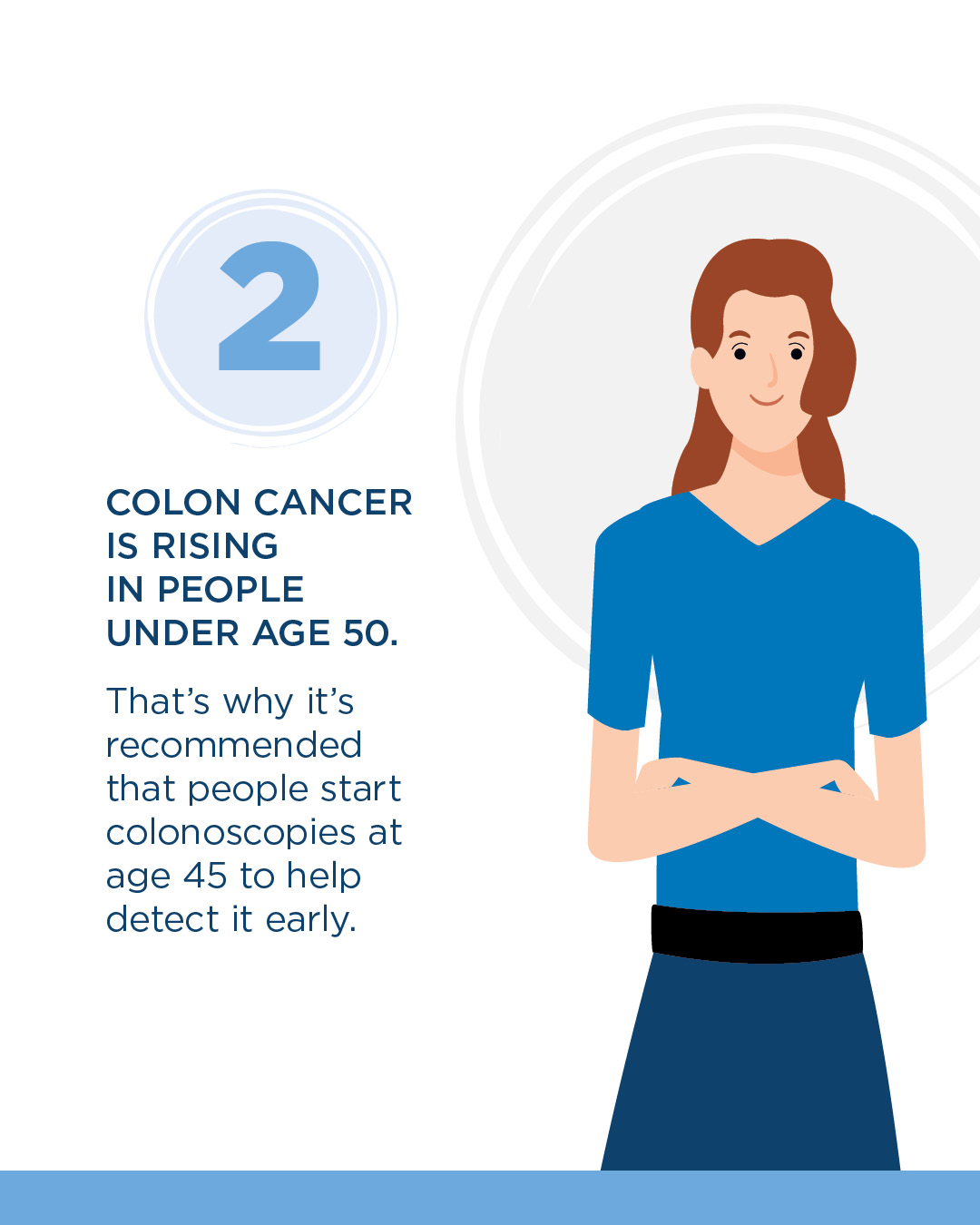
Yeah, this is a really good topic. Thank you for bringing some spotlight to it. I think the good news is that colon cancer is decreasing in older population, which has been for some time. But unfortunately, you’re exactly right. It’s becoming more common in younger adults, particularly we’ve seen over the past 20 years.
People under the age of 40 are twice as likely to get colon cancer and four times as likely to get rectal cancer as the generation before them. And remember, this is people that would not be caught by screening normally. Frankly, this is one of concerning part of my job and one of the reasons why I went into colorectal surgery to try to help figure out why this is happening and treat this problem.
Courtney Collen:
Let’s break down the science. What is happening inside the body when a patient receives a diagnosis of colon cancer? And then we’ll talk about some of those warning signs.
Dr. Kent Peterson:
Yeah, Courtney, we call this the adenoma to carcinoma sequence. You know, something that you’ll read on a science book, but basically a group of cells become abnormal and they grow into what we call a polyp. We call this precancer stage in adenoma.
Over time, typically years, these abnormal cells develop more mutations and are able to invade deeper into the colon wall and even travel to lymph nodes or even other parts of the body. This is when we consider it colon cancer or carcinoma. And depending on what stage it is at the time we find it really varies what treatment options we can offer.
Courtney Collen:
What are some of the warning signs that millennials should not ignore?
Photo by Sanford Health
Dr. Kent Peterson:
This is also a really good question. The typical story I will see as a colorectal surgeon is someone that’s had bleeding for years. Maybe they’ve seen their PCP, maybe they didn’t have a good experience with health care, kind of went away, ignored it. Maybe they get frustrated and say it’s just normal, or they were told it’s just hemorrhoids. It’s just how it’s going to be.
And those are typically the people that I wish would’ve gotten a colonoscopy years earlier before seeing me and would’ve had much better options that we could discuss. But there’s other reasons too – change in bowel habits, particularly those that are unexplained or persistent. We’ll talk a little bit about family history, I think.
Courtney Collen:
Yeah. I’d love to jump into risk and family history for a moment. How much of colon cancer risk is lifestyle related? And first, what are some healthy habits or realistic prevention steps that young people can take right now regarding their colon health?
Dr. Kent Peterson:
Yeah, this is, it’s a tough question to answer. There’s clearly some mutations we know about that are passed from parent to daughter or son that puts you at risk for colon cancer. Not everyone knows that they have them. Some people do, and that would change it.
But there’s clearly a large amount that are lifestyle related. Myself and others in the field think that clearly there’s a diet component to this. This is something that’s really been hard to research. I myself have done research looking at mostly people in the Midwest, and it did seem that obesity seemed to be tied with colon cancer, but the majority of the people that actually got colorectal cancer were not obese.
So the thought is maybe the increase in processed foods have some sort of increased risk over time that can kind of speed that process up of changing from a precancerous to cancerous lesion.
Courtney Collen:
So let’s jump back and talk about knowing your family history. How important is that piece to this? And if we don’t know about our family history in this space, what should we do if we don’t know our risk?
Dr. Kent Peterson:
Yeah, I think it’s an important discussion to have, usually with your primary care doctor, to better understand your risk. So people with a first-degree relative, a brother, parent (with colorectal cancer), so they would typically start screening earlier than the average person, typically at 40, or 10 years before your relative’s age at diagnosis.
There’s also another, a number of other genetic syndromes that can predispose to cancer. But one particular thing that comes to mind, within the last six months, there was a 30-year-old that had done a random genetic screen that they offered and found that they had Lynch syndrome. And this is one of the most common predisposing syndromes to colon cancer. She ended up getting a colonoscopy because of that test and found a colon cancer, which otherwise she really didn’t have any symptoms for.
And because of this, we were able to resect at an early stage of disease. So clearly it’s important to know your family history. If not, ask about it with your parents, with your primary care doctor and they can get you an answer of if you should be screened earlier.
Courtney Collen:
Yeah. Such good information. Thank you for that insight. How does a cancer diagnosis hit differently for someone in their 30s or 40s compared to an older patient?
Dr. Kent Peterson:
I think these, you can probably tell, these are some of the patients that stick with me because I remember them very vividly. You know, it’s not something you expect to have when you’re young. You expect to live forever, and particularly because it’s a cancer that’s very treatable if found early. I think it’s especially hard when you wish you could have found this a little earlier and treated it earlier.
Courtney Collen:
On the flip side, what does early detection change for younger patients?
Dr. Kent Peterson:
We know that people that are younger present at a later stage of diagnosis. So we’re talking, presenting before it has time to grow before the time this cancer has to spread to other organs. We’re talking about a much higher likelihood that we can offer a cure.
If caught early, 95% of people can have this tumor completely cured either by surgery or a combination of surgery and chemoradiation. But clear if it’s, if we’re unable to do that at a later stage disease the survival significantly goes down over two and five years.
Courtney Collen:
Screening is important. And that leads us into our next part of this conversation. A colonoscopy, Dr. Peterson, as we know, is the gold standard for colorectal cancer screening. Let’s spend a few minutes here. Who needs a screening first? When should that start and how often do we need one?
Dr. Kent Peterson:
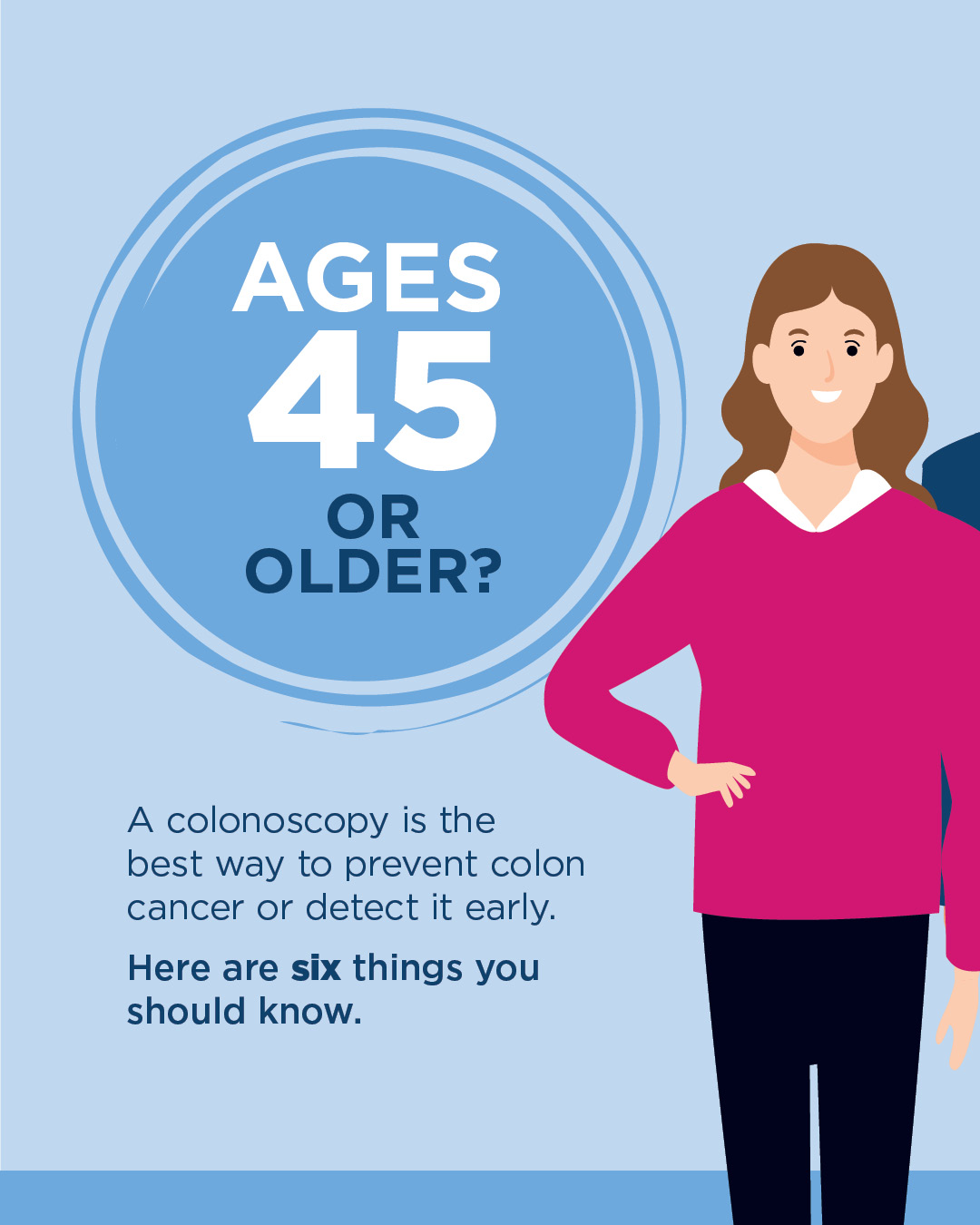
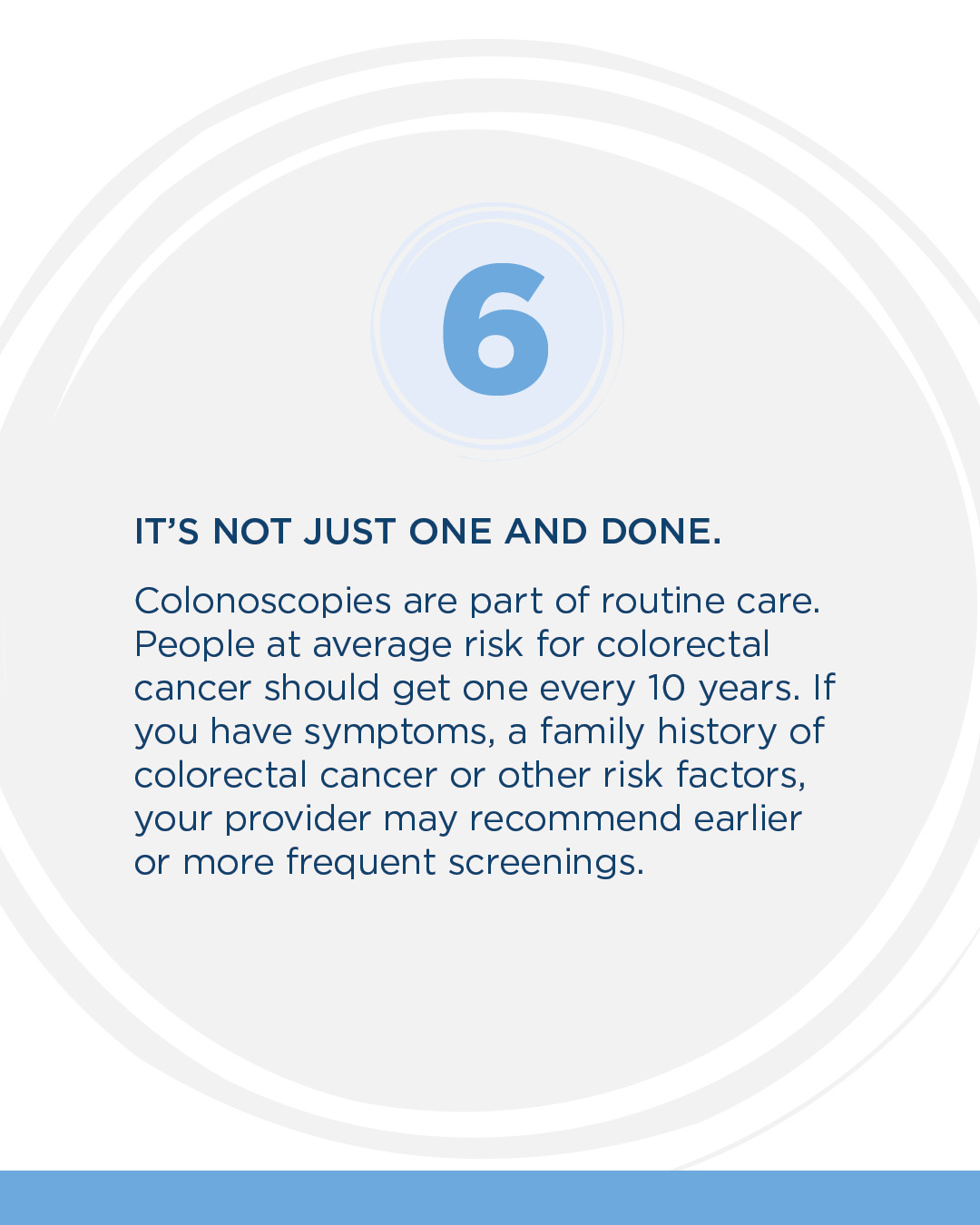
Yeah, so for the average person, age 45. This is what we call the average risk: so a patient with no symptoms, no family history, never had a polyp before, start at age 45. And they recently changed this about five years ago to try to account for some of these younger onset cancers. So typically insurance will cover that. It’s not a big issue.
So if that’s normal, then typically it’ll be 10 years after that if nothing’s found. If you have a family history, typically it’ll start at age 40 or 10 years before the last one and usually do it every five years.
Courtney Collen:
Good to know. Walk us through now, what happens during a colonoscopy appointment from start to finish?
Dr. Kent Peterson:
Yeah, I’ll say a lot of people tend to come in very nervous for this, and that’s understandable. I’ve also had a colonoscopy and I’m very nervous for it. But I’ll tell you that the worst part is always leading up to it. Afterwards, everyone ever always says, that was it. Well, that wasn’t so bad. And they say, well, at least I got a day off of work or school. And I had a really great nap.
And now I feel much more relieved that I know I don’t have colon cancer or some polyp that become colon cancer.
Courtney Collen:
Clear the air here for a second because I’ve never had a colonoscopy. What is, what’s so nerve wracking about it? What is, what’s like, what’s the elephant in the room here?
Dr. Kent Peterson:
Yeah, I think people, number one, people are like nervous. They like didn’t do the bowel prep well enough, which is always usually just fine. So that’s not really a stressful thing. And I think maybe just, you know, asking about it and talking about things that related to poop is awkward for people. But again, I’m not the best person to ask because I talk about poop every day and I’m pretty OK with it.
Courtney Collen:
So if someone is nervous or feeling uneasy about their upcoming appointment, what would you tell them?
Dr. Kent Peterson:
People often feel uncomfortable. I said it’s completely normal. It’s completely regular. You don’t have to feel awkward. This is something we do every single day. Again, these things aren’t things that jump up within days or weeks or months. This is years.
So you get screened once. You don’t do it for years again, typically. So if you’re having issues or it’s that time of your life that you need a colonoscopy you should not be stressed about it. I promise you, you will. Afterwards it won’t be a big deal. And if you talk to someone who’s had a colonoscopy, they’ll tell you the same thing.
Courtney Collen:
And just peace of mind, I feel like for understanding your health a little bit more and staying in tune with what’s happening in your body is always a win. After some of those moments of feeling nervous or uneasy.
Dr. Kent Peterson:
Just knowing that if it is just hemorrhoids for example, then it’s just hemorrhoids and you can live with that and not be stressed every time you see a little bit of blood in your stool.
Courtney Collen:
Yeah, absolutely. What’s the biggest myth or misconception about colon cancer or about colonoscopies maybe that you hear often that you’d like to bust right here with me?
Dr. Kent Peterson:
I think one question I get a lot is about – so Cologuard, which is a stool study that kind of people have tried to replace colonoscopy with, but it’s not really a replacement for it. Cologuard will has a great sensitivity for detecting what typically are kind of advanced adenomas or polyps that have grown relatively large compared to the average polyp that we find on a screening colonoscopy.
So typically those people that have a positive Cologuard will then get a colonoscopy and continue to get colonoscopies once they know they have polyps. This is more of a screening test for people that maybe don’t have access to a colonoscopy or for whatever reason, may not be healthy enough to get a colonoscopy. Certainly, it’s a great resource to have and I think it was caught a lot of people that for whatever reason won’t get a colonoscopy.
But it’s just not a replacement. I hear like parents a lot, my parents, my in-laws, they say if I get colon cancer then it’s just my time. So that’s not why I’m going to get colonoscopy. However, I guarantee you that you do not want colon cancer. Like if we catch this early, we can do a minimally invasive, I personally will use the robot surgery, which is has a very short recovery time. Often people are back to life in a matter of weeks.
And that’s if we find a colon cancer, often we find polyps that we can remove before they come colon cancer. But if caught late, often the decision that I have, and I don’t like to have this discussion with anyone is choosing between an ostomy or having this obstruction, which really just is uncomfortable, inability to eat or drink anything. And that’s just a situation I don’t want anyone else to be in. And I don’t personally like being in that either.
Courtney Collen:
So, biggest takeaway, get screened on time or early if there’s a risk or family history piece involved. And the outcome could be good.
Dr. Kent Peterson:
Absolutely. I think care and cancer especially colon rectal cancer has made a lot of progress in the last 20 to 30 years. And now our challenge is just being able to screen for it and treat it. Ideally, in a perfect world, we could have perfect unlimited resources that everyone could get screened when they’re young at appropriate times, and there would be never any colon cancer that you never had to see a colorectal surgeon for.
Unfortunately, obviously there’s only so many people that can do colonoscopies and do these testing. So it is on the rise, but it doesn’t have to be.
Courtney Collen:
What actually does happen? I mean, you do the prep work, you come in and then do you lay on an exam table and then like what technology is looking at what, and then how long until like the follow-up?
Dr. Kent Peterson:
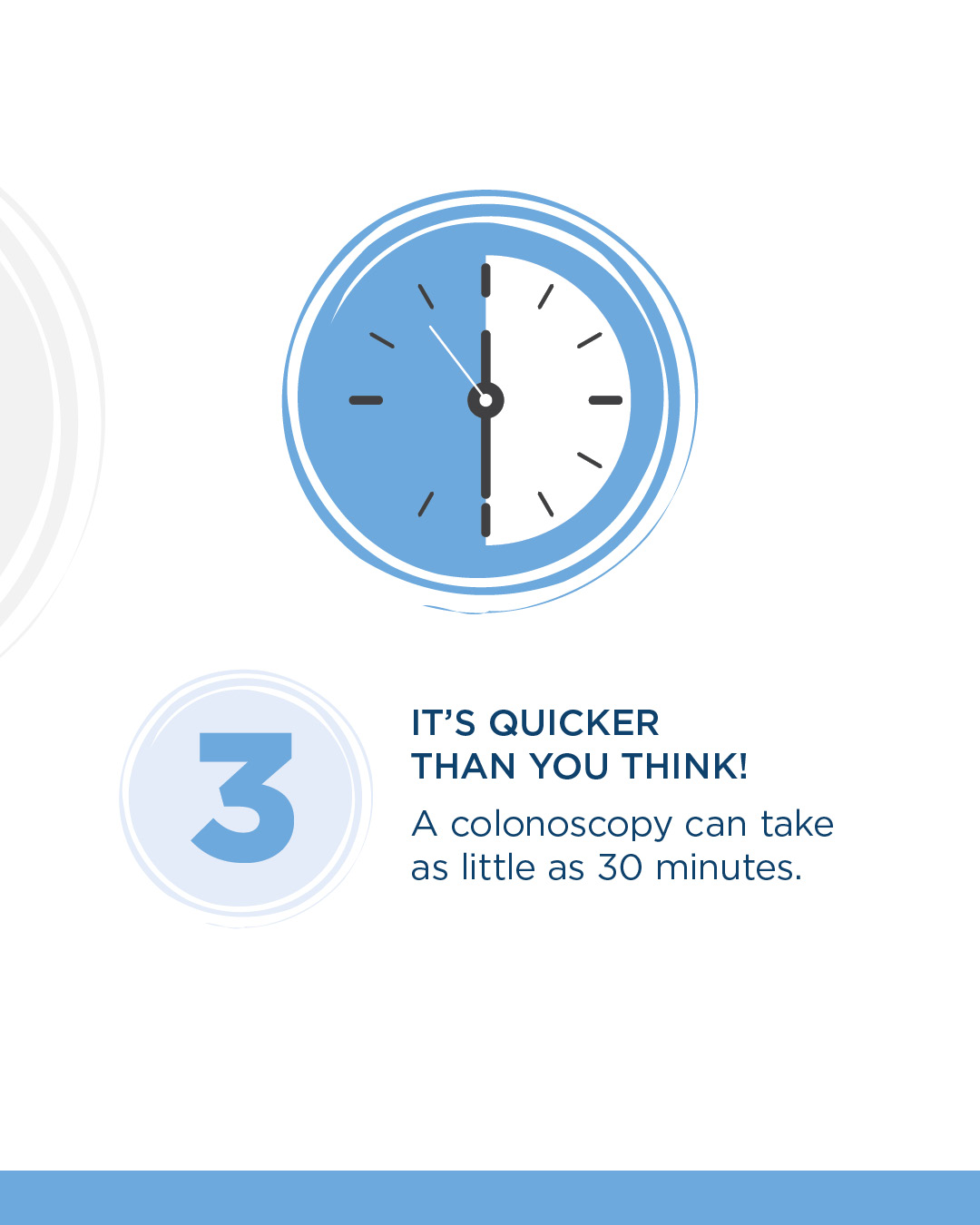
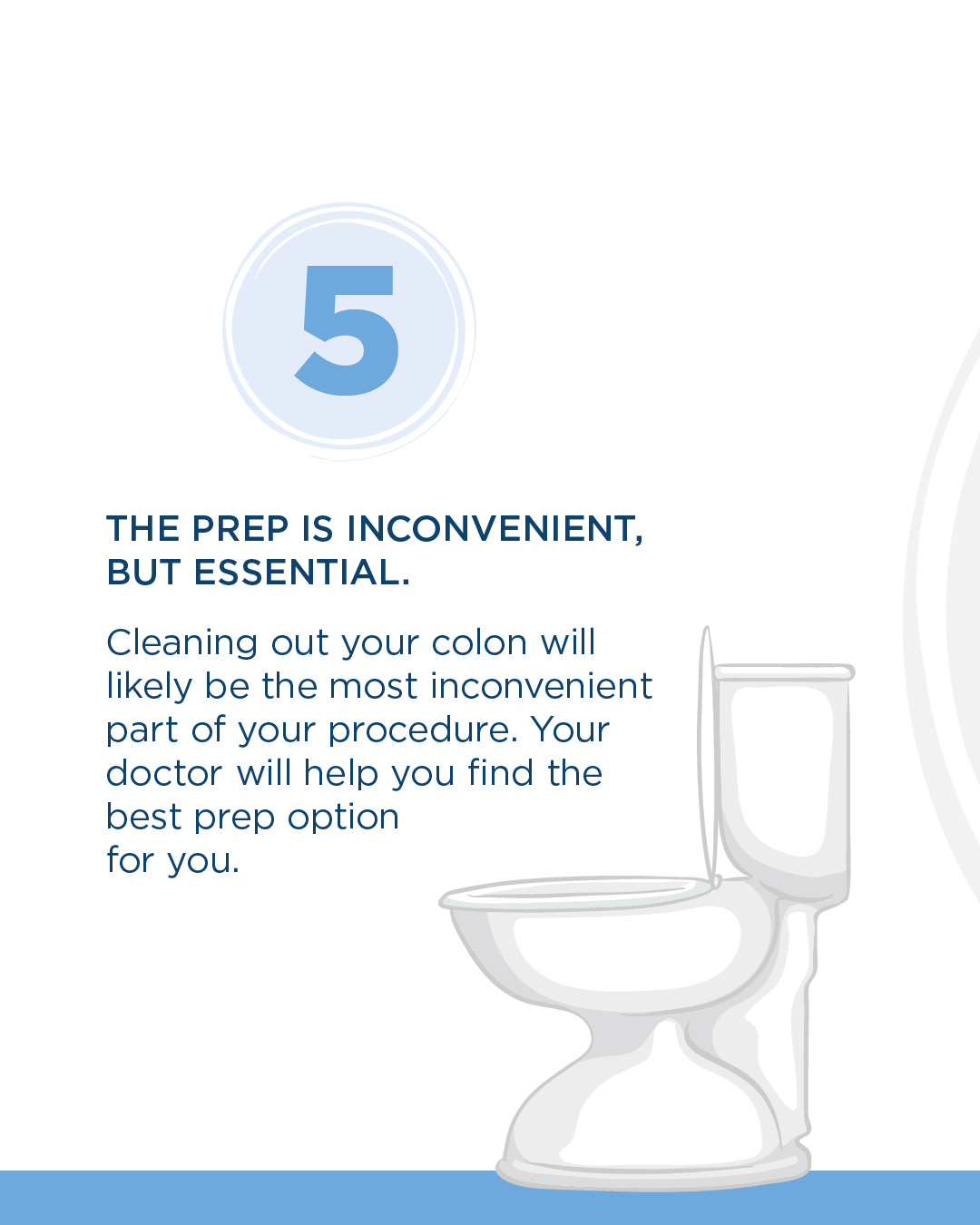
This is my colonoscopy spiel, so I say this a lot. Yeah, logistically it’s pretty easy. You come in the morning of, you’ve done a bowel prep that starts usually the day beforehand where you’ll have to drink clear liquids and then drink the prep material. It’s gotten a lot better than it has in the past. People generally tolerate pretty well.
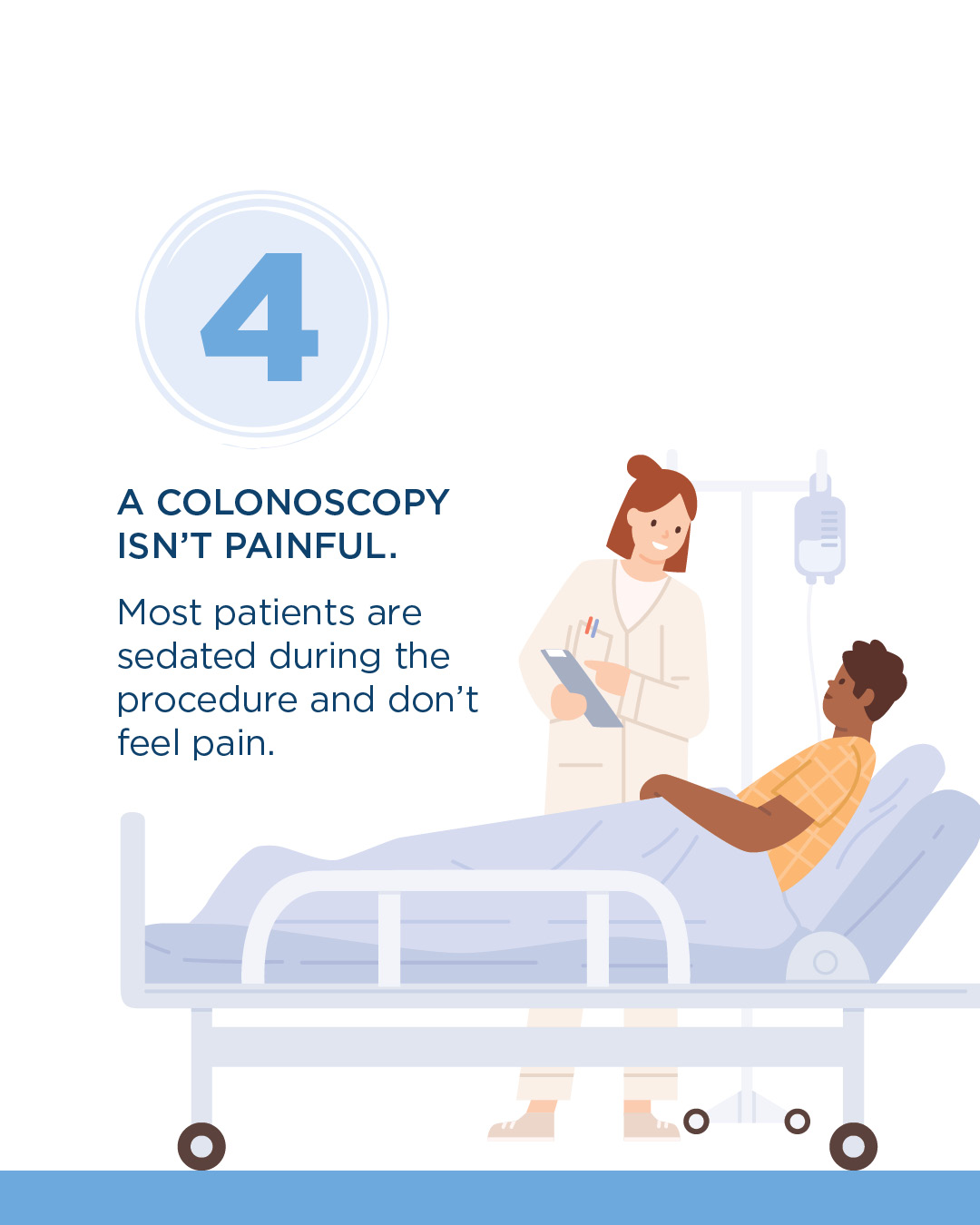
The morning of or afternoon you’ll come in, you’ll meet your endoscopist, which is here, usually a GI doctor or a colorectal surgeon. They’ll kind of talk about the risk and benefits of the procedure. Again, the benefits being that we can find these polyps, remove them before they become cancer. You know, generally they’re a very low risk procedure. And then you’ll get some sedating medication, whether either an endoscopist gives you medication to make you sleepy, kind of a twilight anesthesia where you don’t really remember anything, or an anesthesiologist will come see you and give you sedation where you’re kind of completely out.
The procedure itself, we’ll use a colonoscopy, which is just a kind of a long tube with a very high definition camera on the end of it to look all the way through the rectum, the colon to where it meets the small bowel. That’s all the area that’s at risk for adenomas or colon cancer.
Once we get there, we’ll slowly come back and if we see any polyps, we’ll take them off. We’ll send them to a pathologist who looks at it on our microscope. That pathologist will generally take up to a week, but usually less than that to let us know if it’s a benign polyp. If it’s a pre-cancerous polyp once in a while, you do find a colon cancer, but generally you have an idea if you’ve, if there’s a colon cancer by the time you leave.
The endoscopist will talk to you if there’s something they find that’s concerning. Afterwards when those results come back, the endoscopist will either give you a call or send you a message on MyChart, letting you know what the results mean and how frequently you should get your colonoscopy.
Courtney Collen:
If someone is looking to get screened but doesn’t know where to start, perhaps they don’t have a primary care provider or they don’t get to the clinic as much as they should, but they want to prioritize this specific screening, how would you suggest that they begin that process?
Dr. Kent Peterson:
I’ll say typically a primary care doctor will either order the colonoscopy themselves or refer them to me as a colorectal surgeon. Say, either they’re concerned for hemorrhoids or they had some sort of bleeding or change in bowel habits. And that’s generally how that’ll work.
Again, I understand that it’s hard to find a primary care doctor, especially one you trust. You know, if you’ve got to ask friends or family, you even make appointments online. But again, this is pretty routine things for most family care doctors, so it’s not something to be nervous about to bring up. Even if they don’t bring it up with you, bring up the idea and I think it’s, even if it’s just for the peace of mind I think it’s worth talking about.
Courtney Collen:
If there’s one message as they wrap up here that you want millennials to hear loud and clear about colon cancer, rectal cancer, colonoscopies, what would it be?
Dr. Kent Peterson:
Yeah, I think the one message is don’t be afraid of colonoscopies. Colon cancer is scary, but we are not. I looked back on my schedule for this last day, and half of the people were under 50. There was a 50-year-old that had 26 polyps that had no history of it before. There was a 46-year-old that I found on a screen just with no symptoms that I found multiple polyps. A 45-year-old that I found polyps on and a 38-year-old I felt polyps on. So everyone under 50 that I did a colonoscopy had polyps.
Again, that’s not completely normal, but it’s not unheard of either. So I think if you’re thinking about it or feel unsure, I would just say don’t be afraid and talk to your doctor about this.
Courtney Collen:
Yeah, I think it just further emphasizes the importance of screening and staying on top of your health, whatever that may look like for you. Is there anything else that I did not ask you that you wanted to share on this topic today?
Dr. Kent Peterson:
Well, Courtney, thank you for having me again. I think this is an important topic again. I think it’s something that just isn’t talked about given the nature of the anatomy.
But I think it’s something very important to talk about and even with friends, family doctors, whatever it may be. And I think hopefully together we can kind of reduce this problem that we have with increasing cancer in these patients under 40 years old. And I think this is one step towards that.
Courtney Collen:
Wonderful. Dr. Peterson, thank you so much for your insights here, this conversation. I learned so much as a millennial myself. I appreciate your time and all that you do at Sanford Health. Thanks so much.
Announcer:
This episode is part of the “Health and Wellness” series by Sanford Health. For additional podcast series by Sanford Health, listen wherever you hear your favorite podcast and on news.sanfordhealth.org.
Get more episodes in this series
…
Posted In Cancer, Cancer Screenings, Digestive Health, Fargo, General, Health Information, Health Plan, Healthy Living, News, Specialty Care