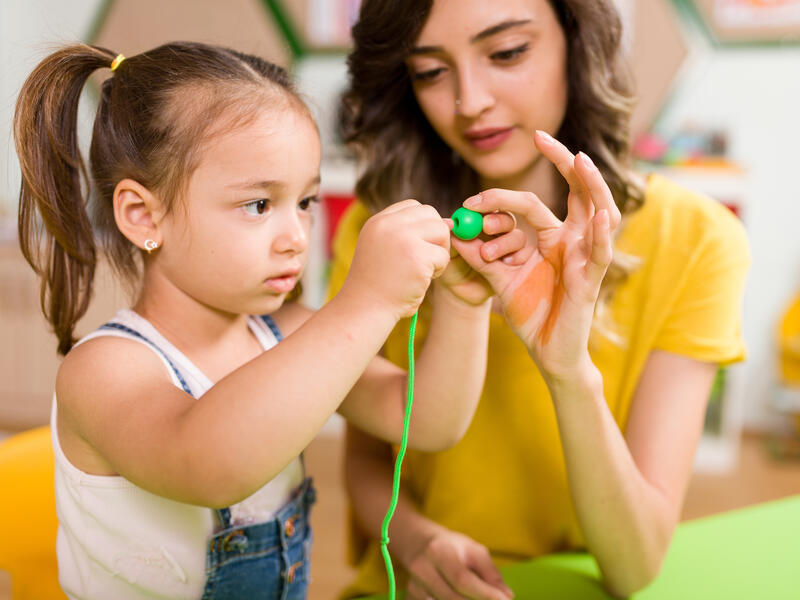
As your child grows, they continue to develop their independence. Being independent is an important trait for your child entering school years and as they grow into adulthood. Parenting a child through this developmental stage can have some challenging moments.
During the preschool years, 3 to 5 years old, it’s common for your child to become “stubborn,” or very determined and unreasonable. This persistence is a stage your child will go through to practice independence. Just like any other stage of development, your patience and guidance are important at this time.
Being determined and persistent can be a positive characteristic. As a parent, you need to find the balance between helping your child learn that they do not rule the world, and embracing the positive traits of determination your child is developing.
Stubbornness is a result of your child developing their ability to focus. The ability to focus is needed when it comes to paying attention in school. Stubbornness can boost your child’s self-esteem as it gives your child a feeling of control over some situations.
What can you do when your child acts stubborn?
- Be willing to give and take. Offer limited choices.
- Be prepared to repeat your rules over and over.
- Stay calm and manage your frustration; don’t engage in power struggles.
- Pick your battles and ask yourself, “Is this worth fighting over?”
- Often the best approach is no approach at all. Taking a stand only when you must for safety, respect for others, or health reasons may be the best approach.
- Adults often wear out faster than children; that’s why stubbornness works. Hang in there.
- Transitions can be difficult. Give your child warnings ahead of time to avoid stubbornness.
- Add fun songs or sayings to routines and tasks. This helps your child feel more inclined to participate and less likely to act unreasonable or stubborn.
- Take care of your child’s basic needs. Children are more stubborn if they are tired, hungry, or bored.
- It is often easier to change the situation rather than the child. The child’s behavior will slowly change over time if the child believes they have a choice. Let your child feel heard.
Stubbornness may just be a child’s way of demonstrating that they can think for themselves. It’s a chance for your child to assert their own personal thoughts or way of carrying out a task.
Even though stubbornness can be frustrating for parents, with patience and support it can be a positive developmental phase for your child.
For personalized answers to your parenting questions, call Sanford Health’s parenting specialists at (605) 312-8390 or email parenting@sanfordhealth.org.
Learn more
- Being defiant is part of growing up
- Decisions, decisions: Offering your preschooler choices
- Stop the power struggles in your home
…
Posted In Children's, Family Medicine, Parenting