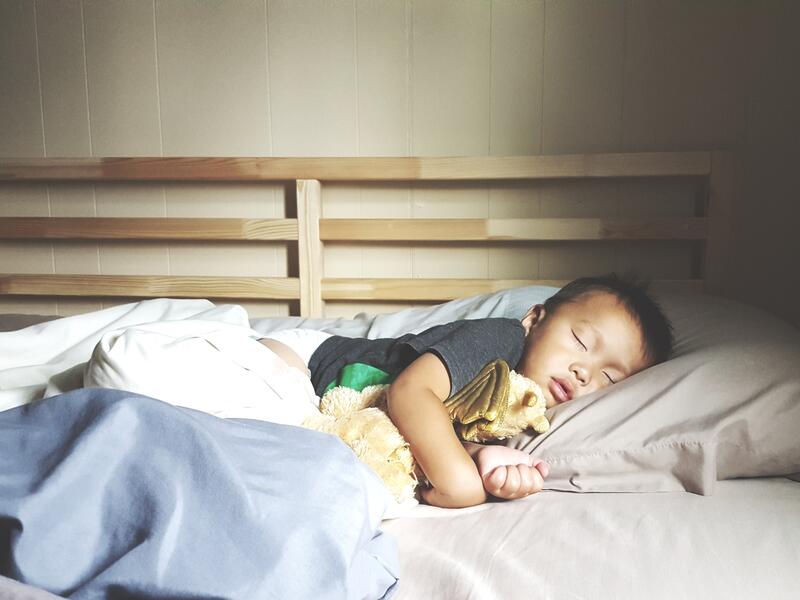
Transitioning your toddler from a crib to a bed is a big step for your child and you. There are a few things to keep in mind when thinking about making this transition: patience is key, your child must be ready, and it’s important to allow plenty of time for the new adjustment.
When to transition
- Most children are ready to transition from their crib to a toddler bed by 18 months to 3 years old.
- If your toddler is climbing out of their crib, it might be time to transition to a bed for safety reasons.
- They’ve outgrown their crib if they are taller than 35 inches and the crib railing is in the middle of their chest (at their nipple line) when they’re standing.
- If there is a baby on the way, it is a good idea to transition to a toddler bed before the baby comes into the equation and everyone’s routine is thrown off.
Make it a fun experience
- Talk to your child about the upcoming change.
- Let your toddler come to the store with you and help pick out their new big kid bed.
- Make it fun by letting your child choose the bedding.
- Let your toddler put their favorite stuffed animal to sleep in the bed.
- Try having your child nap in the new bed as a transitional step.
- If your child is resisting getting in the new bed at night, don’t push them. Give them a week or two and revisit the issue.
When your child won’t stay in bed
- Take them back to bed immediately.
- Check to see if they are afraid of something.
- Let them cry for a couple of minutes before going back to check on them. Make your child wait longer each time you go back.
When they struggle to sleep
Your child may have a hard time sleeping in their new bed right away. There are strategies you can try to help your child feel comfortable in their new bed.
- Snuggle with your child
- Lay in bed with your child or sit beside the bed to help settle them down.
- Bring in a book and read by a dim light while your child gets drowsy.
- Keep a night light on if your child is afraid of the dark.
- Move in and out
- If your child refuses to let you leave the room as they are falling asleep, tell them you’ll be back in a few minutes to check on them.
- Come back in 10 minutes and check in.
- Make the time frame a little longer each time you do this. Eventually you will be able to lay your child down for the night without a fight.
Empower your child with choices but keep a nighttime routine for predictability. A trusting relationship with your child is important as you move through big milestones in your child’s life.
Learn more
- Safe sleep checklist: Everything from cribs to clothing
- Toddlerhood can spark the ‘go back to bed’ struggle
- Is your child getting enough sleep?
…
Posted In Children's, Family Medicine, Parenting