The business of caring for America’s seniors
Alan Helgeson (announcer):
“Reimagining Rural Health,” a conversation series brought to you by Sanford Health. In this series, Sanford Health leaders and expert guests share insights, innovations, and real-world solutions to the toughest challenges in health care today. Each episode explores the ideas, tools, and partnerships advancing rural health care and strengthening care in communities across the country.
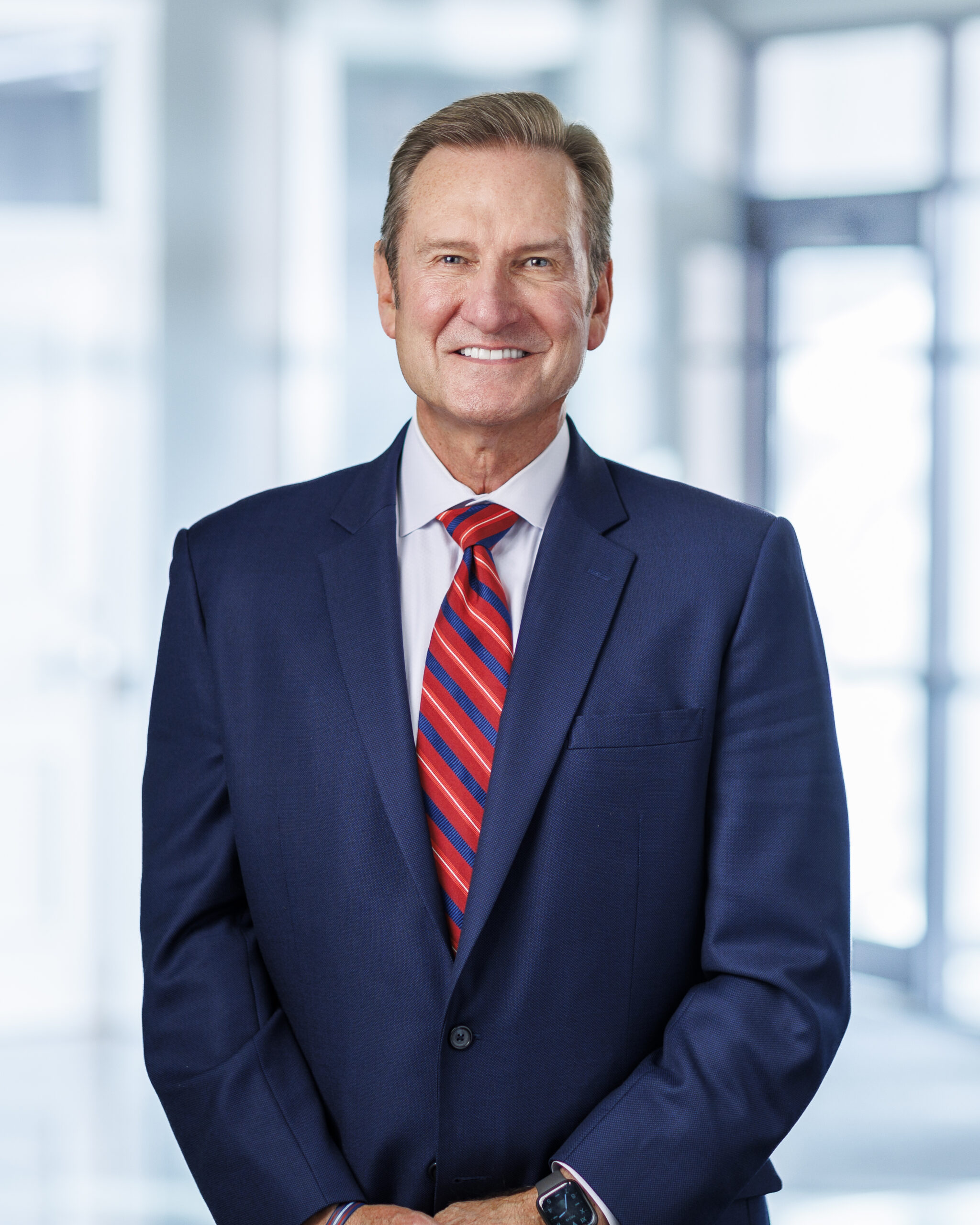
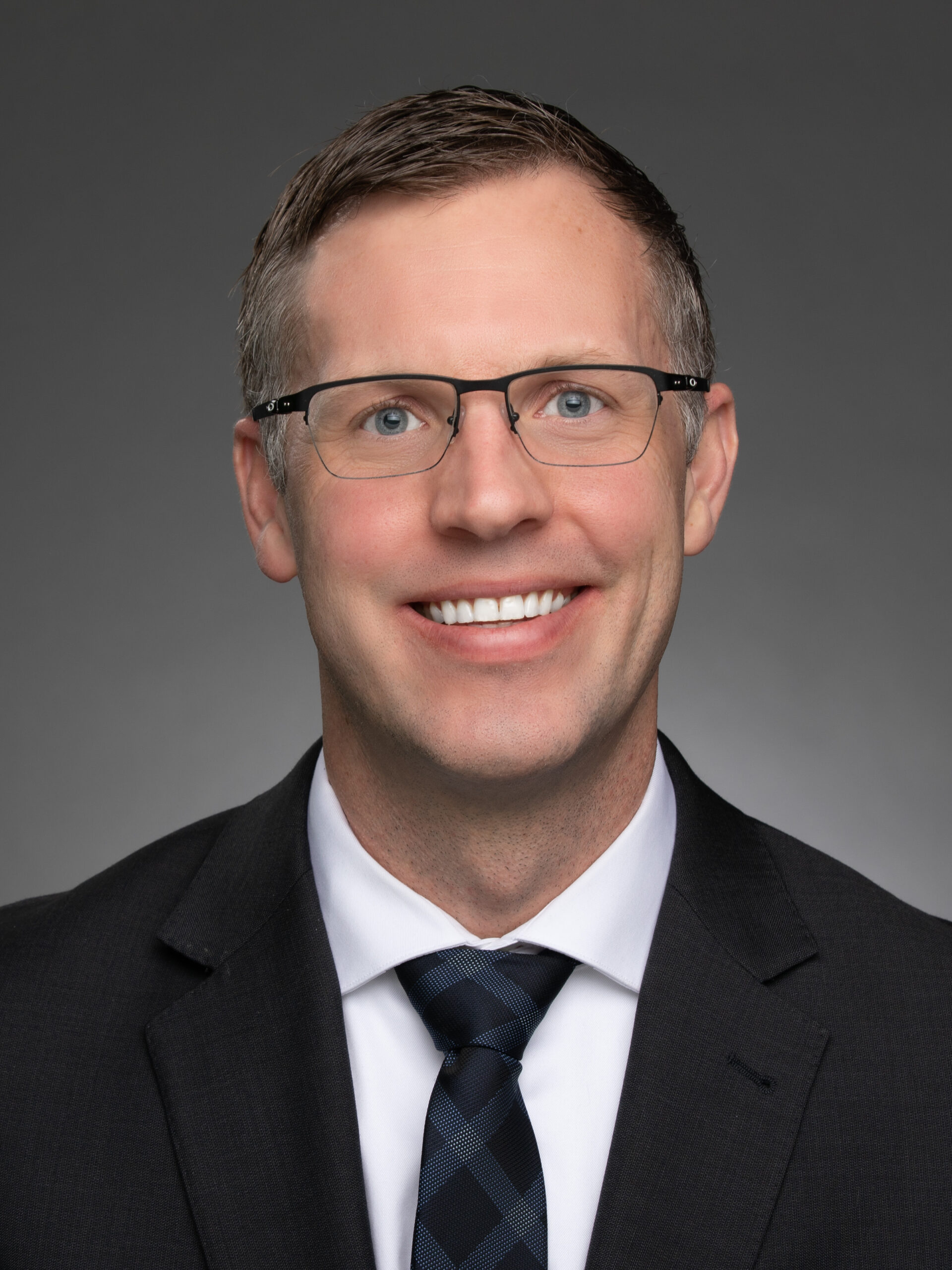
Joining us in this episode is Steve Flatt, chief executive officer at National HealthCare Corporation (NHC), alongside Nate Schema, president and CEO at Good Samaritan. Together, they’ll discuss opportunities to strengthen the quality of care delivered to older adults living in America’s nursing homes, including how workforce policies, regulatory reform, and AI can transform the future of senior care in both rural and urban communities.
Nate Schema (host):
Steve, welcome. First of all, thank you for doing this. I’ve had the opportunity to meet you and get to know you a little bit here over the last five years. And to say that I’m excited is a little bit of an understatement. I was doing a little bit of homework prior to our conversation, Steve. And I know a lot of people know you as being a part of NHC, obviously, one of the most reputable organizations in the country.
However, I also know that you did not have the traditional path into leadership that many operators have and how I grew up in the sector coming up and kind of going through this. And if I’m not mistaken, you were a president of Lipscomb University, which happens to be your alma mater as well. Tell me about your journey and transition into health care and what led you here.
Steve Flatt (guest):
Well, Nate, I’m going to give you the very abbreviated form. I’ve lived a long time. So, I’ve been blessed to have some different opportunities in life. And at one season or another, I literally felt called to go into a new opportunity. I did attend Lipscomb, played basketball there, played. When I graduated, they actually hired me to work as director of admissions and sent me to Vanderbilt to get my master’s and doctorate. So, I worked there five years after that, 10 years in total, left to go into full-time ministry, was actually the senior minister for a large church in the Nashville, Tennessee, area. And then also was president of a K-12 Ezell-Harding Christian School, which had 1100 students. So, a dual role, which was unusual.
Went back to alma mater in ‘97 as president. Was there for eight years, and actually – well, I won’t go into detail there, but got approached by one of our board members, Andy Adams, whose father founded NHC, and he said, “Hey, how would you like to come into senior care?” And I was 49 years old. It seemed like an unlikely transition, but I’d done leadership training for NHC. I knew the quality of the company.
I knew they were considered one of the top five or six long-term care/senior care companies in the country. So, what seemed like a very improbable conversation, I remember it occurred Good Friday of 2005, and three months later I was on board with NHC. And I’ve just celebrated my 20th anniversary, and it’s about to be nine years as CEO.
And I’ll tell you, I mean, I’ve loved every job I’ve ever had. I really have. But I feel like this was a calling and it’s been a blessing to me. And I’m like you, Nate. And by the way, I’m a big Nate Schema fan, as you know, (laugh). But I work with some of the best people in the world. It’s a real joy.
Nate Schema:
Oh, that’s awesome. Well, and I do think you’re a little too modest on that whole basketball resume: three-time MVP over four years at Lipscomb, all-time leading scorer. I don’t know if that record still holds, Steve.
Steve Flatt:
Oh, no, no, no (laugh). I’m not even sure it’s top 10 anymore, honestly. A little bit of trivia. A couple guys came along 15 years after me. Lipscomb actually has the two all-time leading scorers in the history of college basketball. Doubled my point total, John Pierce, Philip Hutcheson. Look it up. It’s worth Googling. But they both had like 4,500 points in their career.
Nate Schema:
Unbelievable. Unbelievable. That is unbelievable.
Steve Flatt:
It was a great place. I enjoyed that experience. It was fantastic.
Nate Schema:
Well, thank you for joining “Reimagining Rural Health” podcast series. Obviously very important to us here in the upper Midwest. I know that you care for folks all over multiple states now, Steve, this conversation is pretty darn important. As we look out over the next few years and how we reshape, how do we keep access to care close to home? And obviously Good Samaritan and NHC have been doing this for a long, long time. And while care is delivered in a little different way today, or quite a bit different, we know that there’s going to need to be some fundamental change here as we move forward. So as you look at quality at NHC, how has that definition evolved over the last few years or since you became CEO maybe in 2017?
Steve Flatt:
And, you know, quality is one of those nebulous things, Nate, that’s sometimes hard to define somebody like excellence. Somebody said, “Well, I know it when I see it.” I’ve always thought of quality though, whether in my past life or coming into health care as really a kind of a dual thing. It’s a measure of how well something meets customer expectations, while at the same time meeting appropriate specific standards. In other words, there is an objective and a subjective part to it. You know, we’re in health care, we’ve got to do things the right way, whether it’s wound care or anything, any diagnosis. The care objectively, it has to be administered the right way at the right time. All of that. And that should be measurable. We measure weight loss, and falls, and pressure injuries, and all these rehospitalizations.
But the other part of quality though, you can do those things and still not have a quality operation if people aren’t satisfied. I mean, ultimately we’re about the quality of life that our patients and residents are getting. We want them to feel that. If they’re not experiencing that and check all the boxes over here, then to me it’s not quality. Either one without the other is insufficient. And really that definition has never changed in the nine years I’ve been CEO.
I will say one thing, since becoming CEO, I probably have an even greater appreciation for the customer satisfaction side of that. You know, we may talk later about (Medicare’s search tool) Nursing Home Compare. That’s one thing I really think we need an objective customer satisfaction standard that can be put on Nursing Home Compare. Right now, it’s all the objective side. It’s all, you know, all those measures and those are OK, most of them. But we need that, to me, the full picture for the patient of the resident.
Nate Schema:
And I couldn’t agree with you any more. I always think that, especially as a consumer, looking at all of the data that’s available out there, it almost at times feels like you need a Ph.D. to understand, and really understand what’s driving all these different measures. You know, this is something you and I do every day, and it’s really, really complex. You know, which is it, a long stay measure? A short stay measure? How these point systems all come together? And, by the way, there’s a curve.
And so, you know, not all locations in a state could be five-star. And so I’ve got some pretty strong feelings about that. But before I get to that point, you know, tell me about what you think it is when we look at Nursing Home Compare, what would a better system look like in your mind? It sounds like, and I agree with you, a consumer-facing component, there should be a standard there. What else needs to be there moving forward?
Steve Flatt:
First of all, I’ve already mentioned, number one thing I would add some type of objective normative customer satisfaction score. And those have to be fairly carefully crafted. I know we have CoreQ scores as a part of our daily work today. I’m not sure that needs to be it in that four, but that’s a start. We could start and we could work on a normative objective customer satisfaction score.
I think another thing that has to happen with, as you and I both know, Nursing Home Compare’s predicated on the survey. I mean, that is the basis. And we just need survey overhaul. Candidly, there’s so many things wrong. Number one, lack of frequency. We’ve got some centers having surveyed in five years. Where does that put them on Nursing Home Compare? You start with the survey and then you’re graded up or down from there.
And those surveys, as you know, are extremely subjective. And the other thing is, they are designed to focus. I mean, they’re centered on what can we tell you you’re not doing correctly. Now, I’m OK with that. I’m OK with that. We need to know the things we’re not doing correctly. But when the focus is looking for the minutia for tags and sometimes letting that molehill turn into a mountain. How many of us haven’t had to appeal IJs (immediate jeopardy tags) that were nowhere close to IJs? I mean, nowhere close. I mean, there’s just a problem with the survey. So to me, that’s part of Nursing Home Compare. I could say if you leave it alone, at least put less emphasis on it. But I’m frankly a proponent for overall survey reform.
The other thing I would do with Nursing Home Compare, I do think staffing, it’s good to measure. Because I’m a believer that staffing and quality correlate very, very highly. But you know, we got people caring for patients that aren’t allowed to be counted in that, you know, in that staffing you may have a DON (director of nursing) who stays after hours and cares. You can’t count his or her hours. That’s just one minor example.
But to coin a politician’s phrase: “It takes a village.” It does. And I just think anybody that’s part of that village to render that care that’s rendering legitimate hours ought to be counted. So I think that skews it just a little bit. So those are three things that come to my mind that I think I would change about Nursing Home Compare.
Nate Schema:
Oh, hundred percent.
Steve Flatt:
I did feel like you’ve got to have something out there. And in an obviously an internet age, people use that more and more. But I bet it’s your experience. It is mine, Nate, particularly the smaller the community now maybe in large cities, that’s where you go to.
But smaller communities, our patient residents rely upon what their doctor tells them where they ought to go. Or maybe a hospital discharge planner or social worker there. Or even more just the reputation you’ve had in the community over years and that, you know, they look at that more than they do Nursing Home Compare.
Like you, I’m also a big proponent, I tell folks, family members, “Hey, if you got time before that discharge, just go visit, go visit.” We walk in there, see how the place smells, see how it looks, look around at the attentiveness of the staff and just get the vibe of the place. I think frankly, all those are things that our customers, both as patients and families, rely on even more.
Nate Schema:
I think we could probably spend an hour on this topic alone. Because I fundamentally agree with you that we need an entire overhaul of the five-star system. You know, being a part of an integrated health system here with Sanford Health, it’s been kind of interesting. And at times I’m more than a little envious of my hospital colleagues when they’ll share with me, “Oh yeah, we just had our hospital surveys,” and the going through the accreditation process. And I know that that’s quite the process for them, but it does not appear to be near as punitive, you know, and there’s so many more opportunities to continue to improve upon all the wonderful things that they’re already doing. Can you imagine a system like that in our space?
Steve Flatt:
Absolutely. And I’ll add to that one thing. I know we’re limited on time, but you know, we’re not JCO (Joint Commission) accredited for our skilled nursing facility. We don’t have time because we’ve got all the other onerous things that we have to do with the state surveys and so forth. But if the survey process were dictated by JCO, I would love to be JCO accredited and do our surveys basically the same way you’re talking about the hospitals. I’d do that. I’d invest that time, I’d invest that money because it would be more productive for our staff, and it would be far more productive to our patients and residents. So whether it’s that or something like that, I hope we can morph into that. And for all the listeners, I want you to know I’m a past board member of the American Health Care Association. We got that on the agenda. Nate’s a current member. So I think it’s up to Nate and his goal to get it changed. And I’m going to give him 12 months to get it changed. So Nate, there you go. There’s your charge.
Nate Schema:
No pressure. No pressure.
Steve Flatt:
You didn’t expect me to turn on you on your own podcast. Did you like that (laugh)?
Nate Schema:
Oh, that’s great. That’s great. Well, you know, earlier this year, and speaking of, you know, rules that just were untenable, there was this proposal out there to increase staffing levels in nursing homes. It was struck down in the courts, thankfully. The intent was improve quality, but providers like us argued for all kinds of very rational reasons that a one-size-fits-all staffing requirement was just not going to work.
So as you think about that, think about the impact of our workforce and our caregivers. Thinking about even just that survey backdrop that we just talked about for a few moments, knowing how in many ways our current process drives away top talent, it drives away some of our best people because of the onerous processes that are currently in place and the punitive process that’s in place.
But beyond those staffing rules, what does make a meaningful difference when you think about workforce and quality improvement and how those things work and go hand in hand?
Steve Flatt:
Well, as we said a little earlier, I think they do go hand in hand. And the most important driver of the quality of our operations is the quality of our workforce. And it’s just this massive problem. I’ll try not to get long-winded. You’re totally right about the staffing rule. It was a trifecta of errors.
Number one, one size fits all, that doesn’t work. Your little communities with less than a thousand people, the staffing rule for a very long-stay population shouldn’t be the staffing rule for something that’s almost exclusively post-acute. And that’s churning patients over and over. I mean, they’re just different. And we know we largely have a bifurcated population when post-acute and long-term stay, some weighing way more to one of those than the other. That didn’t work.
Number two, they didn’t want to pay for it. So, there were $11 billion shortfall in an industry that’s already underfunded.
And number three, the people aren’t there. So it was a perfect storm of a mistake. I’m glad it was repealed.
Now, going forward, I would like to hire more. I mean, it’s not that I’m against more staff, I frankly think that reimbursement rates need to start taking in staffing as opposed to just layering on it, using a stick and saying, everybody’s got to have 4.1. Everybody’s got to have this many RN hours, this many CNA hours.
Let’s set a standard that’s reasonable, say for the most rural, the most less labor intensive settings where it’s largely set a floor, but then incent make the payment based upon the staff you’re hired. I mean, that makes sense to me. I know we’re doing it based on patient acuity. I’m not against that. I think that makes sense too. But it could be dovetailed in there, either the Medicaid and or the Medicare level to we’re going to incent you to hire more people, but we’re going to help you pay for it. I mean, that’s the key. And that, to me, that makes a lot of sense.
Now, there’s also the component of outcomes. You know, the quality, you ought to be rewarded for that. I don’t care how many staff you’re hiring or not hiring. So the patient acuity, you know, looking at that as part of the reimbursement model, the staffing amount, and then the outcomes. To me, those ought to be the drivers of how you’re paid in conjunction with one another.
Now that still doesn’t address what do you get the workers, it would help you pay for them and maybe allow you to even have better escalation of pay as they stay. I think that’s a big part where folks, you know, we want to retain even more. I hate to say you’re always going to have a lot of 90-day turnover at certain level CNA, and housekeeping, and dietary. I wish it weren’t that way. Some people just need a job, need something, they need some money right quick. They go try it, they don’t like it, they’re gone. And I’m not sure all the onboarding and orientation and, you know, signing bonuses in the world are going to keep that from happening. And you can lower it, but it’s not going to go away.
So helping identify the people that are going to stay with you right now, 67% of our people stay with us over a year. I don’t know how that even compares to your company or the national average. It’s not a metric that’s in Nursing Home Compare. We think it’s so. I mean, I want that to be 80%, and that’s a big lift. I mean, if I could get 75 to 80% staying with us a year, I’m going to have a more stabilized workforce and that’s going to result in quality period. We’re doing OK. I mean, we’re proud of our quality. I think our retention’s OK. But those are just, I don’t know if I’ve rambled a little here, Nate, I don’t know if I’ve really addressed your question or not.
Nate Schema:
No, I think you absolutely have highlighted all of the different ways that staffing and quality are so intertwined. And I agree with you on all fronts and, you know, it’s interesting that you bring up retention. That’s something that we’ve been hyper-focused on here the last couple of years. And, like you, I don’t know that we have an industry benchmark by which we measure that across the country.
We’ve taken the approach much like you, that if we can keep people 90 days, and we often say that we bubble wrap them for the first 90 days. And our goal is to improve our retention by 3% here in 2025. We’re just setting our 2026 goals. So they’re blending together a little bit here and we’re about 83% right now across the organization. Which again, like you, we’re like, you know, this is OK, but we have work to do.
But we know if we can capture the minds and hearts and find those folks that are called to this work and have a sense of vocation and really have a passion for this, those are the folks that we want and to invest in. And we know that those folks will be here for the long haul. And then to your point, if we can get them 90 days and then they can stay a year, man, we have a heck of a shot at making sure that those folks are going to be here for the long haul. So, completely agree with you. That is an area of opportunity for us across the sector.
Steve Flatt:
And to help with that first 90 days, and ultimately the year. I mean, we’re doing things, I suspect these are similar things that you’re doing, but I mean, one thing we’ve had for years, this is getting more in vogue now, but we’ve had a foundation for geriatric education that our founder, Dr. Carl Adams, set up. And it’s an endowment, really. I mean, we paid out this year we’re paying out 275 scholarships for students to go on to school. And these are folks that work with us. We pay their way, they come back and they stay with us for three years. You know, that drill. But 275 is our high-water mark. So we feel good about that.
We have improved our onboarding process and frankly, we made an upgrade. And with we’re on UKG (an employee training software program) and really trying to utilize all of its capabilities to help us in that onboarding along with better staff training internally.
Then we put our CNAs, in particular. It’s in its infancy, so I can’t tell you any outcomes yet, but we’re creating a career path, career ladder for them. I think, you know, if some are going to stay CNAs, what if you’re a master CNA for sure. I mean, what if you become, you are recognized as a master CNA. Some may go on, become an LPN and RN and they’re not CNAs anymore.
But different career paths that we think are important for our food service folks, we’ve implemented something called Pineapple Academy, which is a training program, and it’s got level one, two, and three where they’re literally three- to five-minute training videos to help. And we think it does a lot of things. It actually helps them do their job better, but it adds a level of professionalism. Like, go in there and cook something or go in there. No, no, no, no. We’re training you in the art of food service.
And then the final thing, and I’m ashamed to say we’ve had this a long time, but we discontinued it in COVID everything just helter skelter. Well, we have something called “PIE,” partners incentive for excellence. And basically we fund that several million dollars. And every center has its own pie chart in the break room, the lunch room, and we’ve got goals, quality, and most of them are quality initiatives. And customer satisfaction is, you know, meeting budget for the center is one piece of the pie. But what you do is as you meet different levels of the pie, it’s funded and at the end of the year, you get a nice bonus, potentially, in fact, hopefully very nice based upon how you all did together with the pie. You know, have we achieved our goals?
And I think that’s so important for everybody understanding it’s not my job. Well, it is your job. If your customer satisfaction score is going to help put money in people’s pockets or take it out. And it’s not all about the money, you know, I mean, we’re a for-profit company. You’ve got to be driven by a mission. But if nothing else, that also, it creates speed of corps, comradery, teamwork, and a bit of competitive, like within a region. We want to get the best pie score of any center in our region. And it’s amazing. I just think it’s a good tool. We’ve been, so I’m glad we’re getting that back in play.
Nate Schema:
I had the opportunity to go to watch the AHCA Gold Award or the award ceremony here, a couple weeks ago in Maryland Heights there. An NHC community was, I believe, your first gold winner. I think Susan is your administrator. Susan Taylor. What would her pie score look like?
Steve Flatt:
Susan’s would be very good. It would be very good, Susan. We have something we may talk about in a minute. We have a culture we call “the better way.” We have 20 promises that we cover every day with every partner and a standup borrowed that idea from the Ritz Carlton founder, Horst Schulze. And one of our promises, number 14: “I promise to put my heart into everything I do.” Which to me is the most important of the 20 promises.
And she embodies that as well as anybody in our company that’s a 203-bed center. They stay 90. And it’s not a new building, Nate, it’s not a new building. They stay about 97% occupied largely with dementia patients. They’ve got virtually a zoo out there, got a menagerie, they have animals out there, and it’s all wonderful.
The residents there. They are, I mean, literally the people just loved and very deserving of the gold award. Susan’s done a great job. Jeff, the DON, super job. I mean, I’m proud of him. I’m really, really proud of- but we had several who got the silver and several with the bronze. So I think we’ve got another one that’s knocking on the door of gold. And maybe in another year or so, we may see that, hopefully.
Nate Schema:
It was pretty awesome to hear Susan’s story. And we’ve got 57 communities planning, or having an intent, to apply for the 2026 AHCA awards in various different categories. And we’ve got a couple of those gold applications out there. So we’re hopeful.
But hearing Susan’s journey at Maryland Heights, and my understanding is it was a 12-year journey. Of course, you throw the pandemic in there and that messes the timeline up a little bit for a lot of locations. But meeting her after her award, just to go say hi, thank you for all that you’ve done, and congratulations. She’s one of those folks you meet. And instantly, you know, she’s here for all the right reasons. So, congratulations. I wanted to make sure I shared that with y’all today, Steve.
Steve Flatt:
Well, thank you. By the way, Susan’s dad was a long-time medical director there. She grew up really getting a sense of that place and really what long-term care is supposed to be. She’s great. Thank you for that. I’ll pass that along to her.
Nate Schema:
You think about where we’re at here in the upper Midwest and the states that we’re talking to, North Dakota, South Dakota, Nebraska, obviously not as densely populated as Tennessee and some of our Eastern coast folks and colleagues.
One of the biggest things, and you touched on it, it’s technology. You know, I think about what these – where residents expect moving forward, especially these future generations, no different than I have five different streaming services, whether it’s Hulu, Prime (laugh), Netflix, et cetera, you know. Some of these deep rural locations, they don’t have the same technology infrastructure. Not to mention, these communities were built 40, 50 years ago in many cases. So, you have to overhaul the entire infrastructure to have access to that type of technology to ensure then that you’re able to make the investments to modernize and take advantage of those efficiencies.
I keep thinking about what AI could do for us, you know, knowing what we’re piloting in some of our hospitals today with our physicians, who are walking in, and spending more time just literally visiting with their patients and having all of that ambient technology, taking their notes for them, and in many ways, putting together some pretty incredible documentation and saving them so much more time so that they can spend quality time with their patients and make sure that we have the outcomes that we still need to get where we need to go.
But imagine what that looks like for an MDS coordinator (minimum data set coordinator, a resident assessment nurse), our case manager who, you know, in many of our buildings, we’re doing a lot of admissions in any given week, dozens and dozens in some of our busy locations. Imagine them being able to go in and just have a conversation with someone. And all of the right fields get documented in our electronic medical records.
I do think there’s opportunities. They look different than acute care, but I think we still have the same opportunities. And those are the types of things that I think the rural transformation funds could do for us. Some are very practical, whether it’s the Netflix, the Hulu, whatever, but some are, you know, how do we get the ability to deliver care more efficiently and modernize everything that we do?
Steve Flatt:
Well, in every state, every city, every location’s going to be different. You nailed it though, right at the start of your remarks. I mean, you got to have broadband, you’ve got to have the service, you’ve got to have it there, and you’ve got to have the building equipped to be able to do something with it. I know that’s easier said than done in, I don’t know, “Broken Arrow, South Dakota.” I’m making up a city (laugh). I mean, I know it.
But you know, one thing we did, I’ve been at NHC 20 years, starting in my second year. I wasn’t CEO, but I was over it among my other responsibilities. And we bit the bullet and went CAT-5 wiring with all of our buildings, some of them very, very old, all of them CAT-5 wiring.
And then we went to wireless, then we got wireless in every space in all the buildings so that we could use scanning for medications. But also so that patients and their families could use it. And now we’ve got it up to where they can actually stream movies. Because I mean that, believe it or not, you got 85-year-olds who want Netflix. I mean, they want to, “I want to watch this on Netflix.” And I’m grateful we made those moves when we did. Now I bemoaned it a little during some of those early stimulus funds, we’d already made the moves, and if we’d waited, I could have got paid for some of it (laugh), right? We’d already done it. But we looked for other ways to do that.
But now, going back to your – I know you know it’s here, but we’re using a tool called Oler, and it’s got some competitors out there, but it’s using about 800 SNFs (skilled nursing facilities). And we’ve been a key partner for them actually, to help them to develop it. And we’re about to go into another phase with it.
But right now, Nate, I mean, it takes that referral, which can be hundreds of pages, hundreds of pages can be yay thick, some of them. It all populates the MDS Bingo. And it does it more accurately than a human could. The human wouldn’t have time to look at everything on all handwritten notes, everything scans it all. Not just, you know, no matter what it is, we’ve been not just impressed, amazed by the accuracy of it, you know, one positive byproduct of that. It increases your reimbursement for PDP because you’re capturing everything. You’re not leaving things out. It’s what ought to be in there. I can’t tell you how excited we are about that one AI and it really is an AI tool.
That’s exactly what it is, you know, we’re using some, I’d call it AI to machine learning, some bots for accounts receivable that is going to, over time, you know, we’re not laying anybody off. But, you know, if people retire, it might not necessitate filling certain positions, which is just going to be the nature of the world. But going back to, we’ve got to, we’ll never- I say never. I’m a little pessimistic we’ll ever be on par with the level of technology hospitals are funded to use, but we’ve got to get up there close.
And I know you’re a part of a health system. You see it. You can go into a meeting and test it, you know, side by side, what are you guys doing? What we’re doing? But, tools like this, Oler, I think are the start of something that’s going to be fantastic. And it’s good for everybody. It’s good for the patient to make sure all that data’s captured, nothing omitted and so forth.
Nate Schema:
Oh, a hundred percent. Well, I think I’m even more affirmed having this conversation today that we’re focusing on the right thing. Because we’re piloting the exact same thing with our data analytics team that I built this out, and you’re right, we’re getting hundreds of pages, but to have a, you know, a referral packet come over in a summary page of one pager so we can make decisions. So, you’re not trying to, you know, spend 20, 30 minutes just trying to make the decision, let alone make sure all the right information gets to the right place in your chart. Yeah. So, man, I think we have some incredible opportunities ahead here.
And I think that that really ties into our last conversation looking ahead. And we talked about many of these things, you know, over the decades, quality in nursing homes has consistently improved, but the reality is reimbursement investment regulations have not kept up with the evolving needs of seniors and our rural communities. You know, we’ve talked about some common sense reforms, but what regulatory solutions will help advance quality in your mind?
Steve Flatt:
Well, in our industry, I think the things that would help advance quality is one, I’ll repeat. I think that regulation needs to take more of a carrot, not a stick mentality. These are things that have to be done. I get that. I get that. But let’s give some – we go back to the survey. If you happen to get a bad survey, what do they do? They take your CNA classes away from you. Well, how smart is that? (Laugh) if there’s a bad survey, it’s largely caused by the fact you have inadequate staffing and you’re trying to get that up. So now we’re going to just make it harder on you by taking away your CNA class for a year or two. That’s so counterproductive. And to me at least, it’s counterintuitive.
So, I think that’s one thing. I’m not saying just be lax, that is not the point. That is not the point. But, you know, it’s kind of like the teachers we had in school made at all levels. It’s like, boy, you got an “F” OK, and I’m kind of happy about it. Or, you know what? What can we do to make that better? What can we do to make that C a B? And I had some teachers of both types, and you did too. So, I think we need the emphasis on let’s make us better.
Another thing I think about, and I asked my chief nursing officer this, maybe we need more consistency of regulation between SNFs and hospitals. I think by that, I mean, and you’ve seen this being a part of a health system, let’s just take infection control. The regulations are different in the hospital than the SNFs. Now I know they’re different settings. But even like say a patient comes from the hospital with a wound or a catheter, we have to put up enhanced barriers. They’re confused by that. They’re worried about that. They don’t understand that wasn’t the way it was in the hospital. Why is that? Why would that be any different between the two? Patients don’t understand that.
So I think some kind of consistency there. And then (laugh), you know, as opposed to regulating us, talking about regulatory, the area that’s unregulated is managed care, and they’re beginning to give them a CMS, give them a few little rules. If anybody needs rules to get them in line and to not ignore the proper level of care for the patients or just put them off with these prior authorizations or denials just, “Hey, if we do this long enough, maybe they won’t even need it.” I mean, it’s just bizarre to me. I think we need regulatory reform for the insurance companies. Now, obviously, if I were heading an insurance company, I probably wouldn’t say that, but I feel like they’re pretty unfettered and we’re over here dealing with a morass of regulation that’s not making the situation better and neither are they.
Nate Schema:
It’s hard to even build upon that a whole lot, Steve. I think you’ve nailed it. We do have our own provider-owned health plan. If I was sitting right next to our CEO of the health plan, he’d say the same thing. Our provider-owned plan. There’s some unique distinctions and some very different things about what we do, why we do it, and how we do it than some of the big box organizations out there that we’re all very, very familiar with.
And the types of pressures they put around length of stay, the types of pressure they put around prior authorization and the barriers that we see as an integrated health system to moving people across the care continuum. We have people sitting in the hospital for two, three, four days waiting for an authorization. How is that better for the resident and the patient?
And two, we know it’s costing the system more money. So there has to be a way to break through that. And obviously I think we’re advocating heavily for that. Man, if there’s ever a time right now in history that maybe we could see some bipartisan support around something, I’m at least hopeful that there’s a lot of momentum moving the right direction to get that done. It fundamentally needs to change.
Steve Flatt:
And Nate, I don’t know if you guys, you probably don’t with that managed care system as a part of your health system, but I mean, we’ve run an I-SNP (Institutional Special Needs Plan) since 2016. We have our own Medicare Advantage plan, and we’ve now up to almost 1,400 participants. I can tell you the care those patients are receiving. I mean, you can do managed care and do it right, you can do it right, you can do it where you’re focusing on the patient preventing hospitalizations. But to do that, you know, you’ve got a skill in place, you’ve got to have more prevention with rounding MDs, and podiatrists, and dentists, and people coming in that help make sure they’re OK. That’s managing care.
I would argue that what United and Humana do it, they’re rationing care. They’re not managing care. They’re rationing care. That’s something the American public has not historically stood for. And I hope we don’t now. That’s all I’m asking for is managed care that’s really for the best for the patient, not the pocket.
Nate Schema:
Oh, you’re spot on. And we too have our own I-SNP plan and about 1,100 members, so very, very comparable. And the amount of services, and the amount of interventions that we have in place, and the protocols to ensure that these folks have the highest level of care in wherever they call home. And now we’ve extended that to assisted livings.
But these folks have people looking at their charts and putting things in place that didn’t exist five years ago, certainly 10 years ago, but they are being looked at from all different angles to prevent rehospitalizations, to ensure that they’re on the right medications, to ensure that they have the right interventions way upstream. And so the amount of resources being invested in our care settings, in our nursing homes, it’s incredible. We need to expand that model and get away from the rationing model that we’re fed up with. Quite frankly, just fed up with.
Steve Flatt:
Absolutely agree.
Nate Schema:
You know, we’ve talked and covered a lot of ground here, Steve, and so I might just end with as you see opportunities to partner across different care settings, how are rural health providers positioned to be leaders, you know, in this collaboration? I think we just talked about it a little bit there. You know, maybe the only thing we haven’t touched on is virtual care. You know, maybe just tell me about what other types of ways are you collaborating to ensure that these folks get access to quality care close to home?
Steve Flatt:
And that’s a great question. Again, our settings are not quite as rural as yours. We used telehealth to a pretty full extreme during the pandemic. It was a whole different world. I think everybody had to, and that has abated a lot in our setting.
I’m literally sitting here right now, Nate, I couldn’t tell you the depth of the usage of telehealth that we have. There is some. There is some, and some we’ve used in a couple of health systems where there was somebody that we could alert if there’s a change in a patient’s status to get counsel, whether or not to, you know, admit them to the hospital, use very judiciously. And not that often.
But beyond that, I will say, we’re in the behavioral health space. We have three behavioral health hospitals. We have used more telehealth on the psychiatric part of things for interviews of patients and so forth. But that’s an area where virtual health, you know, I think that is part of the future. I think it’s particularly necessitated the more rural the setting. I don’t think there’s question about that, but that’s an area that I would say our focus hadn’t been on that as much, much as on the AI opportunities at this point in time.
Nate Schema:
No, that makes complete sense. And we were fortunate to receive a transformational $350 million gift as a part of our integrated health system here a few years ago. And we literally just launched about two months ago. We took all 27 of our locations in South Dakota, up on our own virtual care platform with the idea, again, how do we prevent rehospitalizations? How do we, you know, how do we prevent burnout? One of the things that we’ve been really focused on, and we talked about a little earlier with our team members.
Oftentimes in some of these small rural communities, you might only have one RN taking care of an assisted living (location), and it’s just not feasible for them to be on call 24/7. So, how do we take some of that burden off of them and create a triage system so they can go home for the weekend and know that for a med change or, you know, maybe there was a fall over the weekend, they don’t need to get those routine phone calls over the weekend. They can manage anything else come Monday, but let’s take some of those nuts-and-bolts things off their plate so we can give them some relief during that time.
So, we’re really, really early into that space, and while telehealth is certainly not new, how we do it? And how we make those connections across our system? They’re going to be pretty darn important for us moving forward. So we’re not transferring people 40, 50, 100 miles to wherever they may need care.
Steve Flatt:
You’re far more of a pioneer in this regard than we are, so I’d love to pick your brain as that moves along and look for ideas that we could make applicable in our settings.
Nate Schema:
Absolutely. Yeah. Well, Steve, I cannot thank you enough. I think I have, I couldn’t take notes, but I have several notes and takeaways that I will likely be picking your brain about in the future. And like I shared, I think I’m more affirmed that we’re focusing on the right things after this conversation as well. So I just want to say thank you. You all are clearly an incredible organization, and that’s a reflection of your leadership. So, thank you so much for joining me here today.
Steve Flatt:
Well, Nate, thank you. Certainly back at you. I admire you so much as a leader and I admire your organization. And I just am honored to participate on this with you. And I’m thrilled to learn what you’ve shared with me all through this conversation that you’re, I mean, you guys are great. You do a fantastic job in some very challenging settings and I applaud you and it’s an honor to call you a friend.
Alan Helgeson:
Thank you for listening to “Reimagining Rural Health,” a conversation series brought to you by Sanford Health. Hear more episodes in this series or other Sanford Health series on Apple, Spotify, and news.sanfordhealth.org.