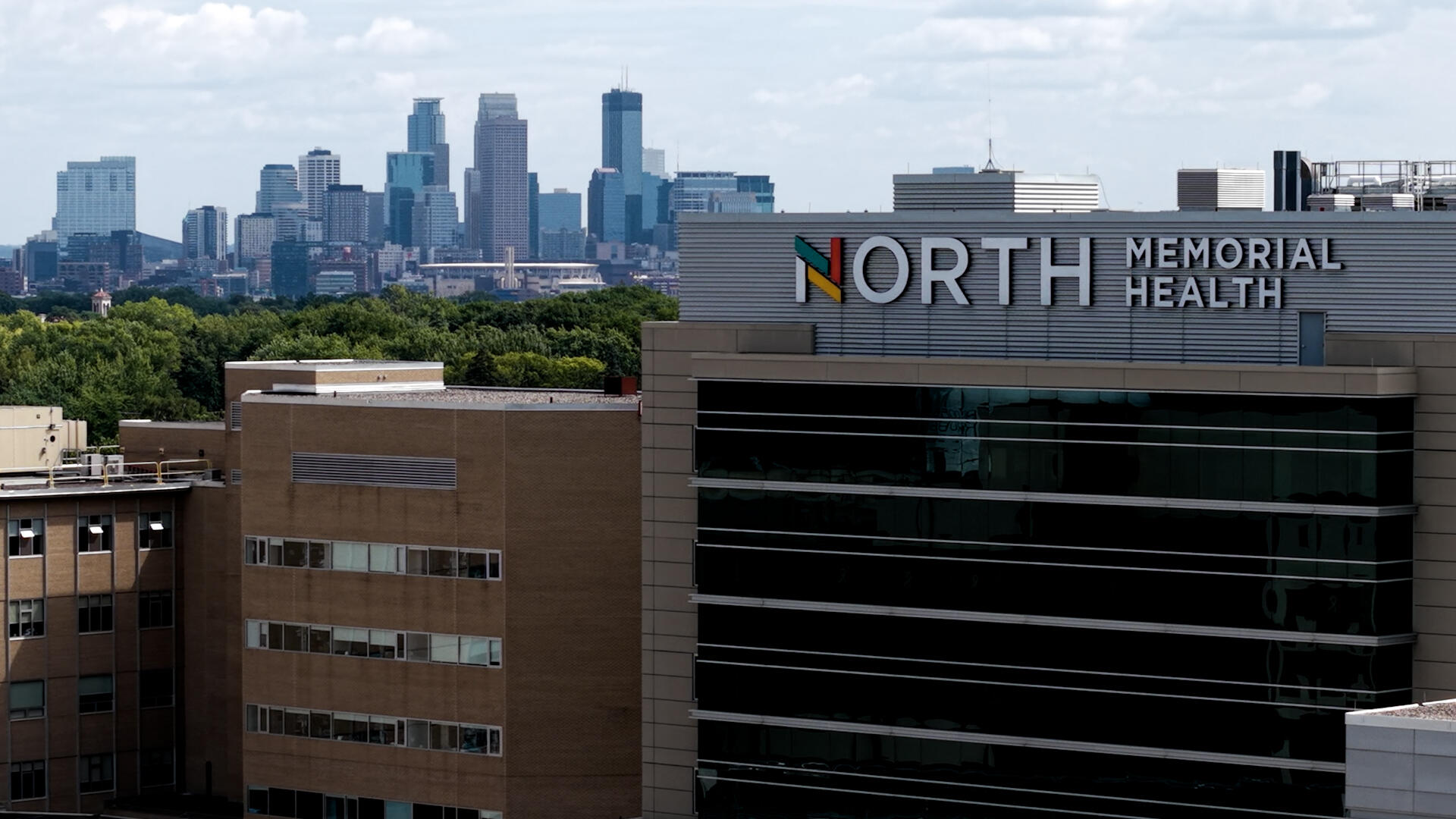
Sanford Health and North Memorial Health together are building new opportunities for patients and communities, marking the beginning of a new chapter in healthcare for Minnesota.
Now as one nonprofit health system, the two organizations have one shared commitment: to improve the health of individuals and communities all over Minnesota.
“As one system we will be better equipped to invest in expanded services and new technologies, navigate unexpected headwinds and build a stronger workforce pipeline,” Sanford Health President and CEO Bill Gassen said.
“Our history of combining with like-minded health systems has shaped who we are today — and demonstrates how we can learn from one another to improve care, strengthen resilience and deliver greater impact for patients and communities.”
This new partnership brings together two organizations deeply rooted in communities that face the greatest barriers to care, from rural areas to urban neighborhoods.
“Serving the underserved, going where others aren’t going to go, it’s part of the DNA of the organizations,” said North Memorial Health CEO Trevor Sawallish. “If we ask, ‘Why did we select Sanford Health in the first place?’ It was that absolute alignment around that mission, especially for those who otherwise aren’t going to get served.”
That shared mission is reflected in the regions of both organizations.
Sanford Health provides care to nearly 300,000 patients across Minnesota, with about two-thirds living in rural areas. North Memorial Health serves patients across the Twin Cities as well as surrounding communities, including through its extensive clinic and emergency medical services network.
As a nonprofit organization, Sanford Health is driven by its charitable mission to improve the health of communities it serves.
In Bemidji, Minnesota, more than 20% of the population is Native American, the poverty rate is more than double the state average, and additional challenges involve long travel distances and health inequities.
In Worthington, nearly a third of the residents do not speak English at home, representing a highly diverse population.
Both of the organizations’ CEOs say factors like these illustrate the importance of expanding access to care and addressing social drivers of health.
“Our organizations share a deep commitment to serving patients, supporting our people and strengthening the health of the communities we call home,” Sawallish said. “I’m confident we’ll build on those shared values while creating an even stronger future for our employees, our patients and the communities we serve.”
While every community is different, the approach is the same.
This new system will partner with local leaders, understand what each community needs and make the long-term investments necessary to strengthen access to the highest quality care.
Together, the combined organization will deepen the good in its communities through philanthropic and community outreach. It also will build on experience addressing the unique needs of individual communities while bringing additional resources, expertise and connections to care.
Building on a legacy in Robbinsdale
One of the clearest opportunities is Robbinsdale Hospital, a cornerstone of healthcare for the Twin Cities and their communities.
For generations, Robbinsdale Hospital has served as a trusted source of care for patients during some of life’s most difficult moments. The facility offers advanced trauma care, mental health services, specialized care for newborns through its Level I nursery and one of five Level I trauma centers in the state.
More than 30% of the patients Robbinsdale serves come from rural communities.
“It’s a cornerstone of care in this community and across the state of Minnesota,” Gassen said.
Gassen said the central component of this partnership is building on a legacy.
“We don’t just see it as a need. We see it as an opportunity,” he added. “We want to make sure that we’re investing in such a way that Robbinsdale continues to thrive.”
Sanford has agreed to invest approximately $100 million to strengthen and modernize Robbinsdale Hospital, including addressing deferred maintenance needs and facility and equipment upgrades. Those investments will help sustain operations and preserve the core services necessary for Robbinsdale to maintain its critical role as a Level I Trauma Center.
Connecting rural and urban care
The new combination brings new opportunities to connect patients and caregivers across Minnesota.
North Memorial Health brings extensive expertise in urban healthcare, clinic and emergency medical services. The organization serves patients through 21 primary care and multispecialty clinics, four urgent care locations and a network of more than 450 providers, 1,400 medical staff and 6,500 team members.
Sanford Health brings a broad rural network that includes 20 medical centers, 74 clinic locations and 38 senior care communities in Minnesota.
Leaders say integrating those networks will improve care coordination, expand specialty consultations and increase access to virtual care services for patients regardless of where they live.
North Memorial Health’s emergency medical services network provides care to patients throughout greater Minnesota.
Sanford Health currently offers 80 specialties through virtual care, which allows patients in rural communities to reach specialists without traveling long distances. The combined system will create opportunities to extend virtual care further and coordinate care more closely across regions.
A strong network when seconds count
This partnership brings together two nationally recognized emergency medical transport and trauma care programs: North Memorial’s hospital-based EMS network and Sanford AirMed.
Gassen said this move builds on the rich history of lifesaving care, ensures long-term sustainability and protects the most essential services.
North Memorial Health operates the largest hospital-based EMS program of any health system in the country. It serves communities across Minnesota and western Wisconsin with an EMS team of more than 860 employees in 30 locations with 114 ambulances and 9 helicopters.
Sanford AirMed adds significant capabilities to that network with its fleet of helicopter, fixed-wing and ground ambulance transport services.
The combination creates a comprehensive emergency response network spanning metropolitan and rural communities.
“We’ve been following where the patient needs flow from the rural communities to the urban centers, back to their clinics, and we’ve been doing that in a really strong way for years,” Sawallish said.
If a patient experiences a traumatic injury on a rural highway in northern Minnesota or a major emergency in the Twin Cities, leaders say, the combined organization will help connect them to the right level of care more efficiently when they need it most.
“We will work together to make sure we maximize the needs that cover the entire region, making sure that patients – no matter where they are – have access to lifesaving care,” Gassen said.
What happens now
North Memorial Health becomes a new care delivery region of Sanford Health based in the Twin Cities, led by CEO Trevor Sawallish and his leadership team with oversight from a local board of directors made up of community members.
Patients should not see changes right away and are encouraged to continue seeing their providers at their preferred locations.
What comes next is the work of realizing the full potential of the partnership, from long-term investment in Robbinsdale to expanded access for patients in communities across Minnesota.
“At the end of the day, it’s part of the foundation of this community,” Gassen said. “It’s a foundational part of what healthcare is in the greater Twin Cities and across the entirety of the state of Minnesota.”
Learn more
- Sanford Health reinvests $1 billion to expand access to care
- Virtual visits provide top-tier preventive care
- How Sanford Health is growing the MN healthcare workforce
…
Posted In Community Impact, Company News, Here for all. Here for good., Leadership in Healthcare, News, Thought Leadership